War Tensions Are Rising — And India’s LPG Supply Might Not Be Safe Anymore
Share
Most Indian households don’t think twice about LPG.
You book a cylinder, it arrives, you cook — simple.
But that system only works when everything in the world is stable.
Right now, it isn’t.
With rising tensions in the Middle East — the region India depends on heavily for LPG imports — the foundation of that convenience is starting to crack. What once felt guaranteed is slowly turning uncertain.
Why This Situation Is Different
India imports the majority of its LPG, and a large portion of that supply passes through one of the most sensitive routes in the world — the Strait of Hormuz.
Any disruption there doesn’t just affect global oil prices — it directly affects how fast, how reliably, and how affordably LPG reaches India.
And when supply chains are under pressure, the impact shows up quickly:
- Delays in cylinder delivery
- Sudden price increases
- Panic buying in urban areas
These aren’t extreme scenarios. They’re the first signs of instability.
The Real Problem Isn’t Shortage — It’s Dependence
Most Indian kitchens rely entirely on LPG.
There’s no backup. No alternative system. No plan B.
So when supply slows down — even slightly — it creates immediate friction in daily life.
Think about it:
- What happens if your cylinder gets delayed for a week?
- What happens when prices spike suddenly?
- What happens when everyone starts booking at the same time?
This is where dependence becomes a problem.
What Smart Households Are Already Doing
Across cities like Delhi, Mumbai, and Bangalore, there’s a quiet shift happening.
People aren’t waiting for a full-blown shortage.
They’re preparing early.
Instead of relying only on LPG, they’re adding a second cooking option — something that doesn’t depend on global fuel supply.
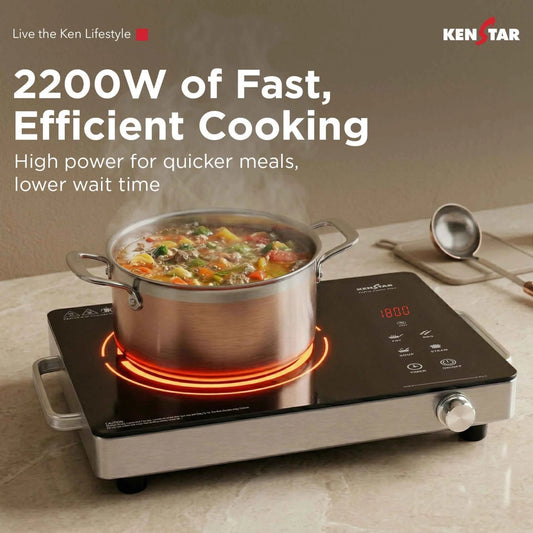
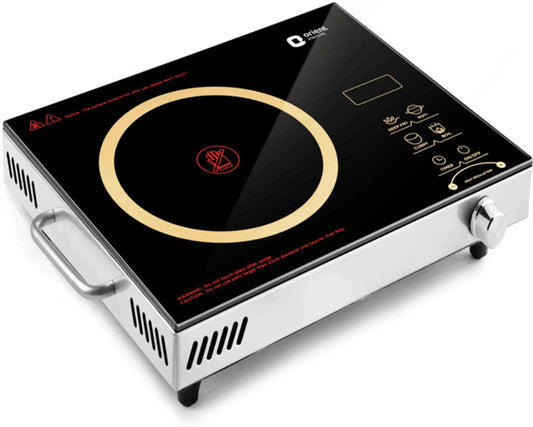
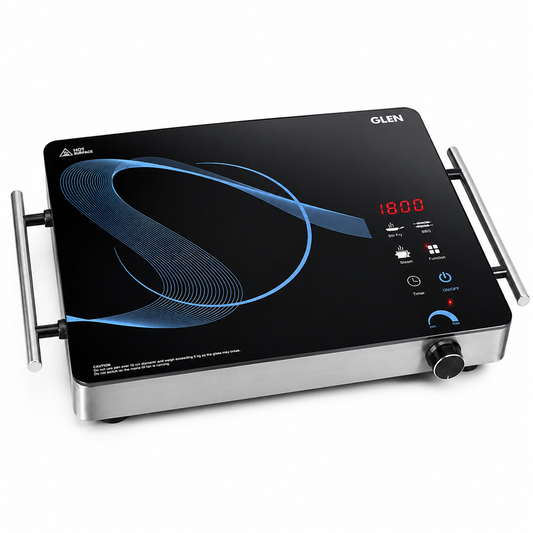
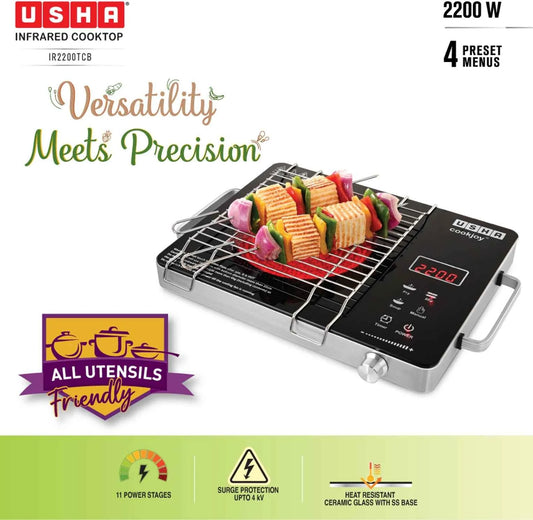
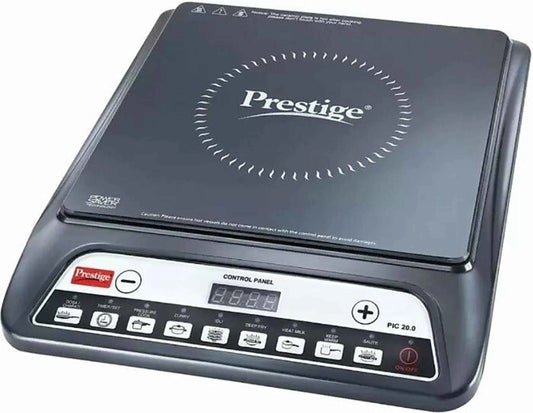
That’s where induction cooking comes in.
Why Induction Is Becoming the Backup of Choice
Induction cooktops run on electricity — a resource that is far more stable and locally managed compared to imported LPG.
This gives households something they’ve never really had before:
control.
- No waiting for deliveries
- No exposure to international supply disruptions
- No last-minute panic when gas runs out
It’s not about replacing LPG completely.
It’s about making sure you’re not stuck if things go wrong.
Practical Benefits You Notice Immediately
Beyond supply concerns, induction cooking actually improves everyday life:
- Faster cooking with direct heat transfer
- Safer kitchens with no open flame
- Cleaner cooking with less residue and heat
- More predictable performance, every single day
For small families, working professionals, and even food businesses, these advantages add up quickly.
Waiting Until There’s a Problem Is the Worst Strategy
Most people only react when things get bad.
When prices spike.
When deliveries slow down.
When everyone else starts scrambling.
That’s when options become expensive — or unavailable.
The smarter approach is simple:
prepare before the disruption becomes obvious.
A Small Change That Makes a Big Difference
You don’t need to stop using LPG.
You don’t need to change your entire kitchen.
But having a reliable backup — something independent of global events — puts you in a completely different position.
Instead of reacting, you’re ready.
Instead of depending, you have control.
Final Thought
You can’t control global conflicts.
You can’t control supply chains.
But you can control how prepared your kitchen is.
Because when systems get disrupted, the difference isn’t who panics.
It’s who planned ahead.