Stainless Steel vs Aluminum: Which Material Works Best for Indian Commercial Kitchen Equipment?
Share
When setting up a commercial kitchen in India, choosing the right material for your equipment can make or break your business. From the bustling restaurants of Delhi's Connaught Place to the street food vendors of Mumbai's Chowpatty, kitchen owners face a crucial decision: stainless steel or aluminum? This choice becomes even more critical when you consider India's unique cooking environment – high humidity, frequent monsoons, intense heat, and the heavy use of spices and oils that can be particularly harsh on equipment.
Understanding the Indian Commercial Kitchen Environment
Indian commercial kitchens operate under some of the most demanding conditions in the world. The combination of high temperatures from tandoors, constant steam from rice cookers and pressure cookers, and the acidic nature of ingredients like tamarind and tomatoes creates a challenging environment for any material. Add to this the frequent cleaning required due to oil-heavy cooking and the need for equipment to withstand 12-16 hour operational cycles, and you begin to understand why material choice is so critical.
In cities like Chennai and Kolkata, where humidity levels can exceed 80% during monsoon season, the wrong material choice can lead to rapid deterioration, increased maintenance costs, and ultimately, business losses.
Stainless Steel: The Gold Standard for Indian Kitchens
Corrosion Resistance That Matters
Stainless steel commercial kitchen equipment India has become the preferred choice for serious restaurateurs, and for good reason. The chromium content in stainless steel forms a protective oxide layer that resists corrosion even in high-humidity conditions. This is particularly important when dealing with Indian spices like turmeric and red chili powder, which can be surprisingly corrosive over time.
Restaurant owners in coastal cities like Goa and Kochi particularly appreciate this benefit, as the salt-laden air from the ocean can quickly corrode lesser materials.
Hygiene and Food Safety Standards
The non-porous surface of stainless steel doesn't harbor bacteria or absorb odors – a crucial factor when you're preparing everything from delicate South Indian idlis to robust North Indian kebabs in the same kitchen. The FSSAI (Food Safety and Standards Authority of India) recognizes stainless steel as food-grade material, making it the obvious choice for establishments that prioritize food safety compliance.
Durability Under Pressure
Indian commercial kitchens see heavy usage. A typical dhaba on the Grand Trunk Road or a popular restaurant in Bangalore's Brigade Road might serve hundreds of customers daily. Stainless steel equipment can handle this constant use without showing significant wear, maintaining its appearance and functionality even after years of service.
Aluminum: The Budget-Friendly Alternative
Cost Advantages
Aluminum equipment typically costs 30-40% less than stainless steel alternatives, making it attractive for small business owners and startups. For a new restaurant owner in tier-2 cities like Indore or Coimbatore, this initial cost saving can be significant.
Heat Conductivity Benefits
Aluminum's excellent heat conductivity makes it suitable for certain cooking applications. However, this advantage is often offset by its limitations in the demanding Indian kitchen environment.
The Downsides in Indian Conditions
Unfortunately, aluminum's benefits are quickly overshadowed by its limitations. It's susceptible to corrosion from acidic ingredients common in Indian cooking. The frequent use of tomatoes, tamarind, and citrus fruits in Indian cuisine can cause aluminum to pit and corrode. Additionally, aluminum can react with certain foods, potentially affecting taste and raising health concerns.
Head-to-Head Comparison: Material Performance in Indian Kitchens
| Feature | Stainless Steel | Aluminum |
|---|---|---|
| Corrosion Resistance | Excellent in humid conditions | Poor, especially with acidic foods |
| Initial Cost | Higher (₹15,000-50,000 for commercial equipment) | Lower (₹8,000-30,000 for similar equipment) |
| Maintenance | Low maintenance, easy cleaning | High maintenance, requires careful handling |
| Lifespan in Indian Kitchens | 10-15 years with proper care | 3-5 years in demanding conditions |
| Heat Distribution | Good, even heating | Excellent heat conductivity |
| Food Safety | FSSAI approved, non-reactive | Can react with acidic foods |
Real-World Performance: Case Studies from Indian Restaurants
Rajesh Kumar, owner of a popular South Indian restaurant chain in Hyderabad, switched from aluminum to stainless steel equipment three years ago. "The initial investment was higher, but I've saved thousands in replacement costs. My stainless steel dosa tawa still looks new, while I was replacing aluminum ones every eight months," he shares.
Similarly, the famous Paranthe Wali Gali in Delhi has seen vendors gradually transition to stainless steel equipment. The constant exposure to ghee, spices, and frequent cleaning made aluminum equipment a costly affair in the long run.
Maintenance and Longevity Considerations
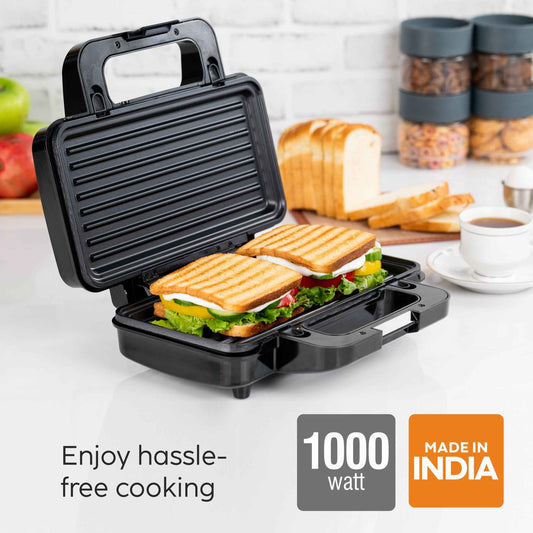
In the Indian context, where labor costs are relatively low but equipment downtime can be devastating for business, stainless steel's low maintenance requirements become a significant advantage. A stainless steel sandwich griller or tandoor can operate for months with basic cleaning, while aluminum equipment might require special care and more frequent servicing.
The monsoon season particularly tests equipment durability. Restaurants in Mumbai, Pune, and Kolkata report that stainless steel equipment shows no degradation even during the heaviest monsoon months, while aluminum equipment often requires protective measures and still shows signs of corrosion.
Making the Right Choice for Your Business
While aluminum might seem attractive for its lower initial cost, the total cost of ownership strongly favors stainless steel in Indian commercial kitchens. When you factor in replacement costs, maintenance, potential food safety issues, and business interruption from equipment failure, stainless steel emerges as the clear winner.
For equipment that sees heavy daily use – like sandwich grills, tandoors, or prep tables – stainless steel isn't just preferable; it's essential for long-term business success.
Featured Product: Professional-Grade Stainless Steel Solution
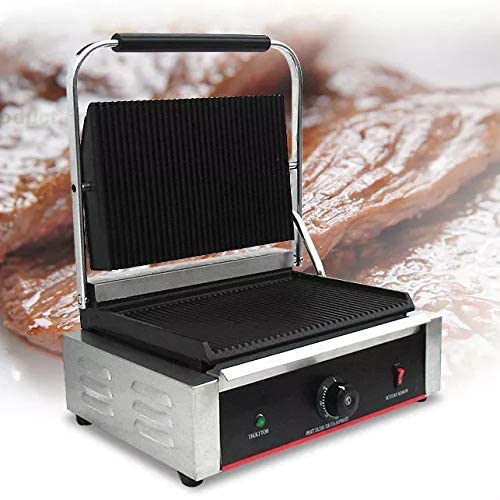
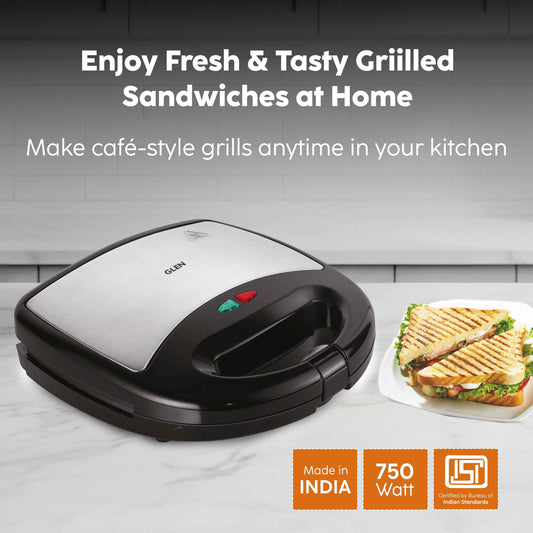
The Kitchen Etto Big Sandwich Grill maker exemplifies why stainless steel commercial kitchen equipment India is the preferred choice for serious restaurateurs. Designed for heavy commercial use, this professional sandwich griller can handle 4 jumbo breads simultaneously, making it perfect for busy restaurants, cafeterias, and food courts across Indian cities.
Built with premium stainless steel construction, it's designed to withstand the demanding conditions of Indian commercial kitchens – from the humid coastal restaurants of Kerala to the high-temperature operations of Rajasthani dhabas. At ₹8,699, it represents exceptional value for businesses that understand the importance of reliable, durable equipment.
This griller's stainless steel construction ensures it won't react with the diverse range of chutneys, marinades, and fillings used in Indian sandwich preparation, maintaining food quality and safety standards that your customers expect.
Conclusion: Investing in Your Kitchen's Future
The choice between stainless steel and aluminum for Indian commercial kitchen equipment isn't just about upfront costs – it's about building a sustainable, profitable business. Stainless steel's superior performance in corrosion resistance, hygiene, durability, and maintenance makes it the smart choice for any serious commercial kitchen operation in India.
Whether you're opening a new restaurant in Delhi's competitive market or upgrading your existing kitchen in Chennai, choosing stainless steel equipment is an investment in your business's long-term success. The initial higher cost pays for itself through reduced maintenance, longer equipment life, and consistent performance even in India's challenging kitchen environments.