Professional Chef's Guide: Best Induction Hobs for Small Restaurant Kitchens in India
Share
Running a small restaurant in India's competitive food service industry requires smart equipment choices that balance performance, durability, and cost-effectiveness. When it comes to cooking equipment, commercial induction hobs have emerged as the preferred choice for professional chefs and restaurant owners across Delhi, Mumbai, Bangalore, and other major Indian cities. These energy-efficient cooking solutions offer precise temperature control, faster cooking times, and lower operational costs compared to traditional gas burners.
Why Commercial Induction Hobs Are Perfect for Indian Restaurant Kitchens
Indian cuisine demands versatility and precision in cooking techniques. Whether you're tempering spices for dal, achieving the perfect bhuna for curries, or maintaining consistent heat for biryanis, commercial induction hobs provide the control professional chefs need. The electromagnetic heating technology ensures even heat distribution, crucial for dishes like dosas, rotis, and delicate gravies that require consistent temperatures.
Key Benefits for Small Restaurant Operations
Small restaurant kitchens in India face unique challenges including limited space, high energy costs, and the need for equipment that can handle diverse cooking styles. Commercial induction hobs address these concerns effectively:
- Energy Efficiency: Up to 90% energy transfer compared to 40-50% with gas burners
- Space Optimization: Compact designs that maximize cooking surface area
- Safety Features: No open flames, reduced fire risk, and automatic shut-off functions
- Easy Cleaning: Flat surfaces that are simple to maintain between service periods
- Precise Control: Multiple power levels for different cooking techniques
Essential Features to Look for in Commercial Induction Hobs
Power and Performance Requirements
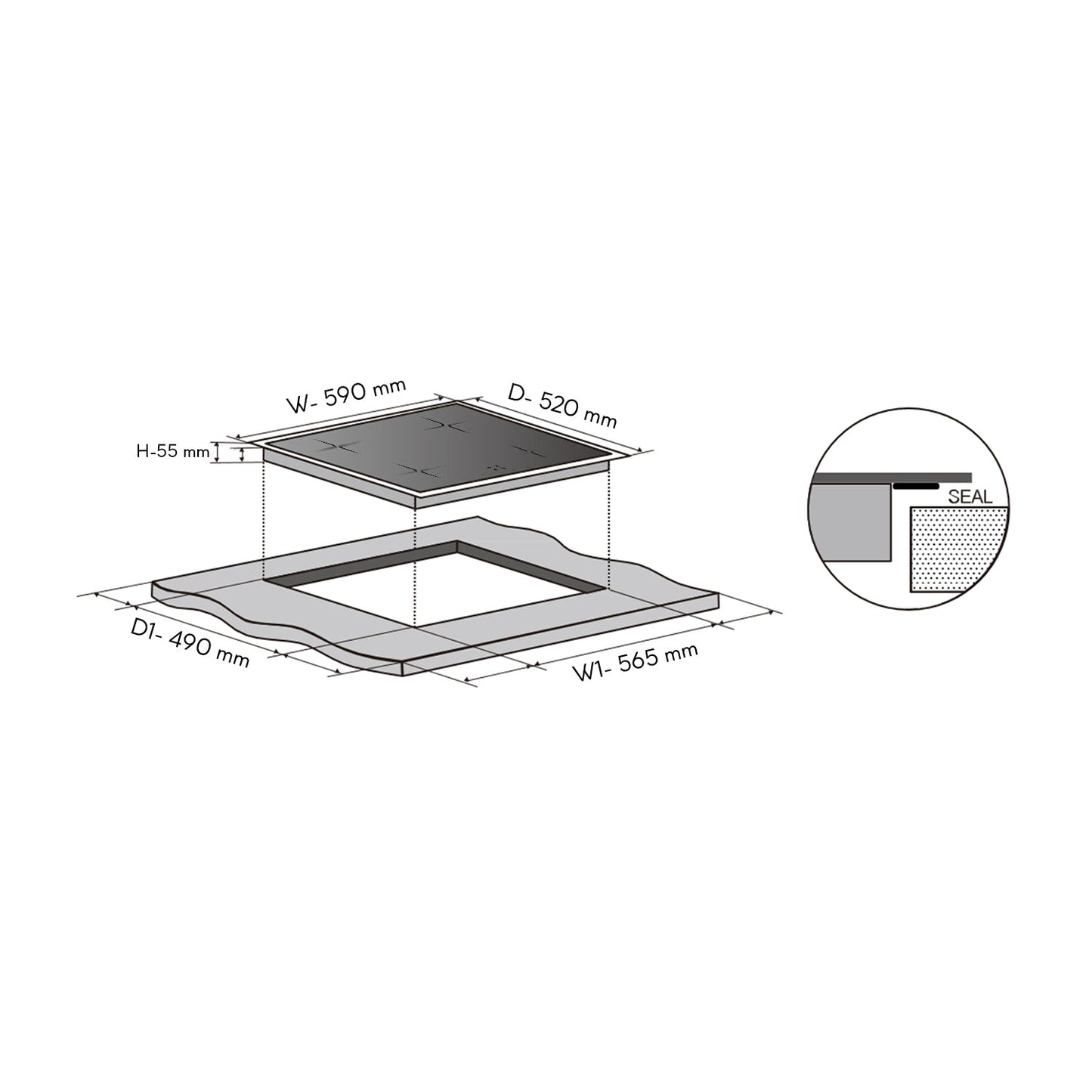
For small restaurant kitchens handling 50-100 covers daily, look for induction hobs with multiple power levels and zones. The 4 Zone Built in Induction Hob 9 Power Levels with Touch Control & Timer Function (BH1014IC4Z) exemplifies the ideal specifications for professional kitchens, offering four independent cooking zones with nine power levels each, allowing chefs to simultaneously prepare multiple dishes at different temperatures.
Durability and Build Quality
Commercial-grade induction hobs must withstand the demands of professional kitchens. Look for units with reinforced glass surfaces, robust internal components, and adequate ventilation systems. The constant use in Indian restaurant kitchens, where cooking often continues for 12-16 hours daily, requires equipment built to commercial standards.
Control Systems and User Interface
Touch controls offer several advantages over mechanical knobs in busy kitchen environments. They're easier to clean, more precise, and often include timer functions that help chefs manage multiple dishes simultaneously. Digital displays showing exact temperature and power levels eliminate guesswork, crucial for maintaining consistency in Indian dishes where precise heat control affects flavor development.
Sizing and Installation Considerations
Small restaurant kitchens require careful space planning. Built-in induction hobs provide a seamless, professional appearance while maximizing counter space. Consider the workflow in your kitchen – the induction hob should be positioned to allow easy access to prep areas, storage, and plating stations.
| Kitchen Size | Recommended Zones | Daily Covers | Power Requirements |
|---|---|---|---|
| Small (100-200 sq ft) | 2-3 Zones | 30-60 | 5-7 kW |
| Medium (200-400 sq ft) | 4-6 Zones | 60-120 | 8-12 kW |
| Large (400+ sq ft) | 6+ Zones | 120+ | 15+ kW |
Cost Analysis and Return on Investment
While the initial investment in commercial induction hobs may seem substantial, the long-term benefits justify the cost for small restaurant operations. Energy savings alone can reduce monthly utility bills by 30-40% compared to gas cooking systems. Additionally, the reduced heat output means lower air conditioning costs during hot Indian summers.
Operational Cost Benefits
Beyond energy savings, commercial induction hobs offer several cost advantages:
- Reduced Maintenance: Fewer moving parts mean lower maintenance costs
- Faster Service: Quicker heating reduces customer wait times
- Staff Safety: Lower risk of burns and accidents reduces insurance claims
- Consistent Results: Better food quality leads to higher customer satisfaction
Maintenance and Care Tips for Commercial Use
Proper maintenance extends the lifespan of your commercial induction hob investment. Daily cleaning with appropriate non-abrasive cleaners keeps the glass surface in optimal condition. Regular inspection of ventilation systems and electrical connections ensures safe operation. For busy restaurants, establishing a cleaning schedule between service periods maintains both hygiene standards and equipment performance.
Common Issues and Prevention
Most problems with commercial induction hobs stem from improper cleaning or electrical issues. Avoid using steel wool or harsh chemicals on the cooking surface. Ensure adequate ventilation to prevent overheating, and use only induction-compatible cookware to maintain efficiency and prevent damage.
Making the Right Choice for Your Restaurant
Selecting the right commercial induction hob depends on your specific needs, menu requirements, and kitchen layout. For restaurants serving diverse Indian cuisine requiring multiple cooking techniques simultaneously, multi-zone units like the 4 Zone Built in Induction Hob 9 Power Levels with Touch Control & Timer Function (BH1014IC4Z) provide the flexibility and control professional chefs demand.
Consider your peak service periods, the variety of dishes on your menu, and future expansion plans when making your decision. A well-chosen commercial induction hob becomes a cornerstone of your kitchen operation, contributing to efficiency, safety, and profitability for years to come. The investment in quality equipment pays dividends through improved food quality, faster service, and reduced operational costs – essential factors for success in India's competitive restaurant industry.