Non-Stick Commercial Kitchen Equipment: Maintenance Tips for Indian Restaurant Owners
Share
Running a successful restaurant in India's competitive food industry requires more than just great recipes and excellent service. Your kitchen equipment, particularly non-stick commercial appliances, plays a crucial role in delivering consistent quality while managing costs. From busy dhabas in Mumbai to upscale restaurants in Delhi, proper maintenance of non-stick commercial kitchen equipment can mean the difference between profit and loss.
Non-stick surfaces in commercial kitchens face unique challenges in Indian cooking environments. The high-heat preparations required for tandoor-style cooking, the frequent use of oil and ghee, and the diverse range of spices can all impact the longevity of your equipment. Understanding how to properly maintain these surfaces will help you maximize your investment and ensure smooth operations.
Understanding Non-Stick Commercial Kitchen Equipment
Commercial non-stick equipment differs significantly from household versions. These appliances are designed to withstand the rigorous demands of professional kitchens, handling hundreds of orders daily while maintaining consistent performance. The non-stick coatings used in commercial equipment are typically more robust, often featuring multiple layers of PTFE or ceramic-based materials.
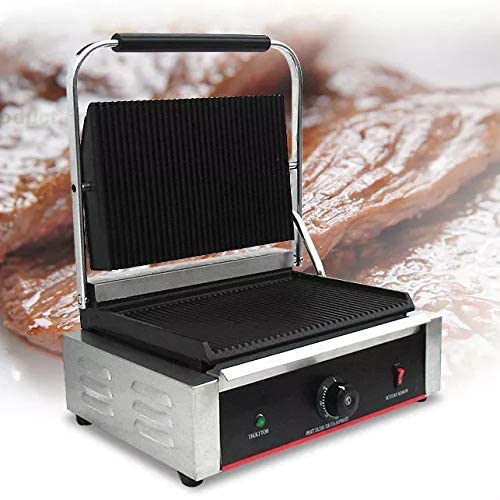
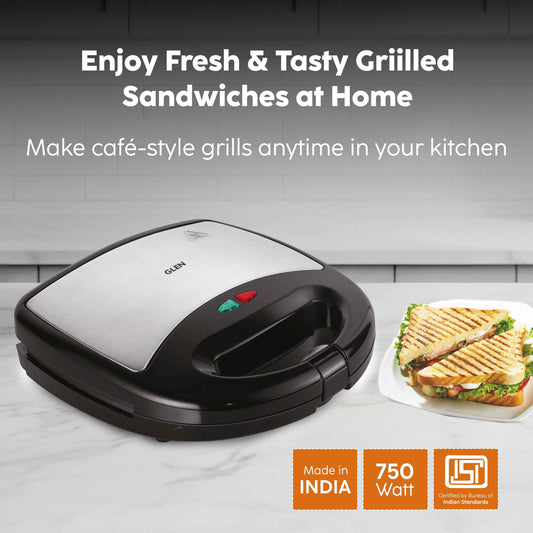
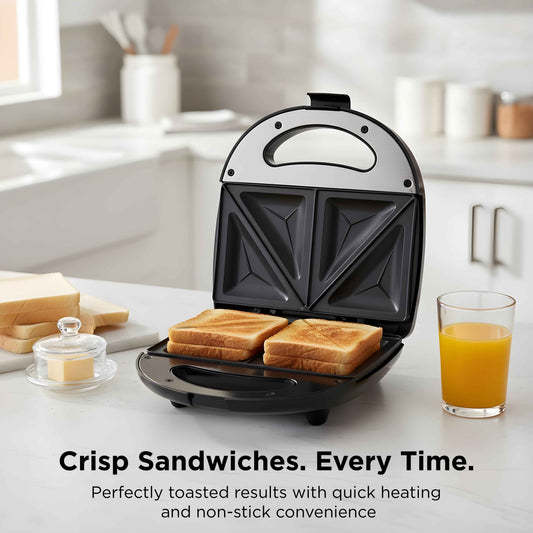
In Indian restaurant kitchens, non-stick commercial equipment commonly includes sandwich grills, dosa tawas, crepe makers, and multi-purpose griddles. Each piece of equipment requires specific maintenance approaches based on its usage patterns and the types of food prepared on its surface.
The Science Behind Non-Stick Surfaces
Non-stick coatings work by creating a smooth surface that prevents food particles from adhering. However, these surfaces are vulnerable to scratching, overheating, and chemical damage from harsh cleaning agents. Understanding this helps restaurant owners make informed decisions about daily care and long-term maintenance strategies.
Daily Maintenance Practices for Optimal Performance
Establishing a routine for non-stick commercial kitchen equipment maintenance starts with daily practices that preserve the coating's integrity. These simple steps can significantly extend the life of your equipment.
Proper Cleaning Techniques
The golden rule for cleaning non-stick surfaces is gentleness. After each use, allow the equipment to cool to room temperature before cleaning. Never use cold water on hot surfaces, as thermal shock can cause warping and coating damage.
Use warm, soapy water with a soft cloth or sponge for regular cleaning. For Indian cooking residues like turmeric stains or ghee buildup, create a paste using baking soda and water. This natural cleaning agent effectively removes stubborn stains without damaging the non-stick surface.
Avoid steel wool, abrasive pads, or harsh chemicals. Instead, invest in plastic scrapers designed for non-stick surfaces to remove stuck food particles. For equipment like commercial sandwich grills, clean both the top and bottom plates thoroughly to prevent cross-contamination between different menu items.
Temperature Management
One of the most critical aspects of non-stick commercial kitchen equipment maintenance is proper temperature control. While Indian cooking often requires high heat, non-stick surfaces have temperature limitations. Most commercial non-stick coatings can handle temperatures up to 260°C (500°F), but prolonged exposure to extreme heat will degrade the coating.
Train your kitchen staff to preheat equipment gradually and monitor temperatures using built-in thermostats or external temperature guns. This practice is particularly important when preparing items like parathas or grilled sandwiches that require sustained heat.
Weekly Deep Cleaning and Inspection Protocols
Beyond daily maintenance, establishing weekly deep cleaning routines ensures your non-stick commercial equipment remains in peak condition. This involves more thorough cleaning and inspection procedures.
Deep Cleaning Process
Once a week, dedicate time to thoroughly clean your non-stick equipment. Start by removing any removable parts like drip trays or plates if your equipment allows. Clean these components separately in warm, soapy water.
For the main unit, use a mixture of white vinegar and water (1:1 ratio) to remove mineral deposits and grease buildup. This is particularly effective in cities like Delhi and Chennai where hard water can leave mineral deposits on equipment surfaces. Apply the solution, let it sit for 10 minutes, then wipe clean with a soft cloth.
Pay special attention to edges and corners where food particles and grease tend to accumulate. These areas often harbor bacteria and can affect food safety if not properly maintained.
Inspection and Documentation
During your weekly maintenance, inspect the non-stick surface for signs of wear, scratching, or coating deterioration. Document any changes in a maintenance log, noting the date and nature of any issues observed. This documentation helps track equipment lifespan and plan for replacements.
Common Mistakes That Damage Non-Stick Surfaces
Understanding what damages non-stick coatings helps prevent costly mistakes that can shorten equipment life. Many Indian restaurant owners unknowingly engage in practices that accelerate wear and tear.
Temperature-Related Damage
Overheating is the primary cause of non-stick coating failure. When temperatures exceed the coating's threshold, it begins to break down, releasing the non-stick properties and potentially creating food safety concerns. Always monitor cooking temperatures and train staff on proper heating procedures.
Improper Cleaning Methods
Using abrasive cleaning materials or harsh chemicals can quickly destroy non-stick surfaces. Avoid ammonia-based cleaners, bleach, and steel wool. Even seemingly harmless practices like using metal spatulas can cause microscopic scratches that accumulate over time.
| Cleaning Method | Safe for Non-Stick | Effectiveness | Recommended Use |
|---|---|---|---|
| Soft cloth + warm soapy water | Yes | High | Daily cleaning |
| Baking soda paste | Yes | High | Stubborn stains |
| White vinegar solution | Yes | Medium | Weekly deep clean |
| Steel wool | No | High | Never use |
| Abrasive cleaners | No | High | Never use |
| Metal scrapers | No | Medium | Never use |
When to Replace Non-Stick Equipment
Even with excellent maintenance, non-stick commercial kitchen equipment eventually requires replacement. Recognizing the signs of coating failure helps restaurant owners make timely decisions that maintain food quality and kitchen efficiency.
Warning Signs
Watch for these indicators that your equipment needs replacement:
- Food begins sticking despite proper cooking techniques
- Visible scratches or chips in the coating
- Discoloration that doesn't clean away
- Uneven heating patterns
- Coating begins peeling or flaking
For high-volume restaurants in cities like Bangalore and Pune, equipment may need replacement every 12-18 months depending on usage intensity. Lower-volume establishments might extend this to 2-3 years with proper maintenance.
Maximizing Equipment Lifespan in Indian Kitchens
Indian cooking presents unique challenges for non-stick surfaces due to the frequent use of spices, oils, and high-heat cooking methods. However, with proper techniques, you can maximize equipment lifespan while maintaining authentic flavors.
Seasoning and Preparation
Before first use and periodically during the equipment's life, season your non-stick surfaces with a thin layer of oil suitable for high-heat cooking. Coconut oil or ghee works well for this purpose in Indian kitchens. Heat the surface gently to allow the oil to bond, then wipe away excess.
Staff Training
Invest time in training your kitchen staff on proper non-stick commercial kitchen equipment maintenance. Create simple checklists for daily, weekly, and monthly maintenance tasks. Consistent application of maintenance procedures by all staff members significantly impacts equipment longevity.
Cost-Effective Maintenance Solutions
Proper maintenance doesn't have to be expensive. Simple practices like using the right utensils, maintaining proper temperatures, and following cleaning protocols can extend equipment life by 50% or more. This translates to significant savings for restaurant owners operating on tight margins.
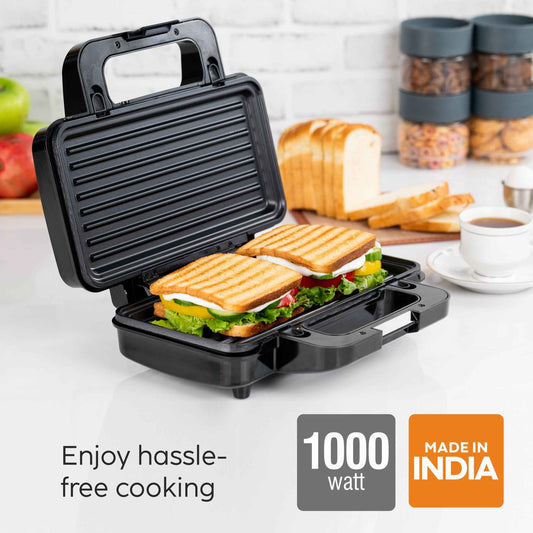
Consider the Kitchen Etto Big Sandwich Grill maker, designed specifically for commercial use in Indian restaurants. This robust piece of equipment can handle 4 jumbo breads simultaneously, making it perfect for high-volume operations. With proper maintenance following the guidelines outlined above, this investment will serve your restaurant efficiently for years.
The key to successful non-stick commercial kitchen equipment maintenance lies in consistency and attention to detail. By implementing these practices, Indian restaurant owners can ensure their equipment performs reliably while controlling operational costs. Remember, the few minutes spent on daily maintenance far outweigh the cost and disruption of premature equipment replacement.