Monsoon Season Cooking: Why Induction Hobs Outperform Gas Stoves in Indian Humidity
Share
As the monsoon clouds gather over Delhi, Mumbai, and Kolkata, Indian kitchens face a familiar challenge. The heavy humidity, frequent power fluctuations, and safety concerns that come with our beloved rainy season can turn everyday cooking into a frustrating experience. While gas stoves have been the traditional choice in Indian households, the monsoon season reveals their limitations in ways that many home cooks have experienced but rarely discussed.
This year, as weather patterns become more unpredictable and urban humidity levels soar, it's time to explore why induction cooking during monsoon season might be the game-changer your kitchen needs.
The Hidden Challenges of Gas Stoves During Monsoon
Anyone who has tried lighting a gas stove on a particularly humid day in Chennai or Bangalore knows the struggle. The moisture in the air affects gas combustion, leading to uneven flames and inefficient burning. During monsoon months, this problem intensifies dramatically.
Humidity Impact on Gas Performance
High humidity levels interfere with the gas-air mixture required for optimal combustion. When preparing your morning chai or cooking evening rotis, you might notice:
- Difficulty in lighting the burner on the first attempt
- Flames that appear orange or yellow instead of the ideal blue
- Inconsistent heat output affecting cooking times
- Increased gas consumption due to incomplete combustion
Safety Concerns in Wet Conditions
Monsoon season brings additional safety risks with gas stoves. Water splashing from open windows, wet hands while cooking, and the general moisture in the air create hazardous conditions. Gas leaks become harder to detect when mixed with the earthy smell of rain, and the risk of accidents increases significantly.
How Induction Technology Thrives in Monsoon Conditions
Induction cooking technology operates on electromagnetic principles, making it naturally resistant to humidity and moisture-related issues that plague gas stoves during the rainy season.
Moisture Resistance and Reliability
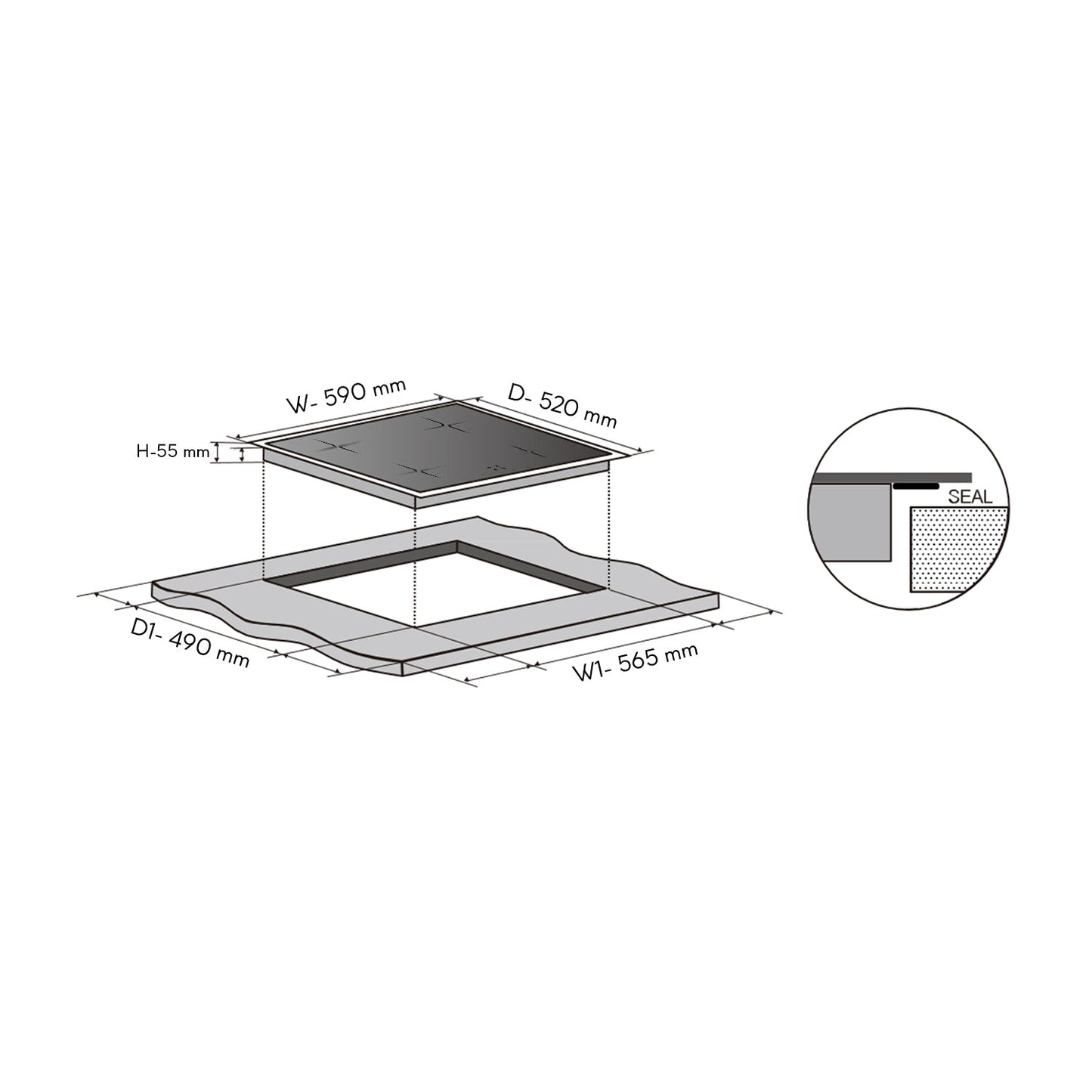
Unlike gas stoves, induction hobs don't rely on combustion. The 4 Zone Built in Induction Hob 9 Power Levels with Touch Control & Timer Function (BH1014IC4Z) features a sealed glass surface that prevents moisture infiltration, ensuring consistent performance regardless of humidity levels.
This means your morning breakfast preparation remains unaffected whether it's a dry summer day or the peak of monsoon season in Kerala or West Bengal.
Precise Temperature Control
Indian cooking demands precise heat control – from tempering spices for dal to achieving the perfect crisp on dosas. Monsoon humidity can make gas flames unpredictable, but induction maintains exact temperature settings. Whether you're preparing elaborate Bengali fish curry or simple North Indian sabzi, the heat remains consistent throughout the cooking process.
Practical Benefits for Indian Monsoon Cooking
Energy Efficiency During Power Cuts
While monsoon season often brings power fluctuations, modern induction cooktops are designed to handle voltage variations better than ever. When power returns after outages, induction hobs resume cooking immediately without the need to relight or readjust flame levels.
Easy Cleanup in Humid Conditions
Monsoon cooking often means dealing with sticky surfaces due to humidity. The flat, non-porous surface of induction cooktops makes cleanup effortless – a simple wipe down removes spills and splatters that would otherwise become stubborn in humid conditions.
Performance Comparison: Gas vs Induction During Monsoon
| Factor | Gas Stoves | Induction Hobs |
|---|---|---|
| Humidity Resistance | Poor - affects combustion | Excellent - unaffected by moisture |
| Heat Consistency | Variable during humid days | Always consistent |
| Safety in Wet Conditions | Higher risk | Safer operation |
| Cleaning Ease | Difficult in sticky humidity | Simple wipe-clean surface |
| Energy Efficiency | Reduced in humid conditions | Maintains high efficiency |
Making the Switch: What Indian Cooks Should Consider
Cookware Compatibility
The transition to induction cooking requires compatible cookware, but this isn't the limitation it once was. Most Indian cooking vessels – from heavy-bottomed kadais to steel pressure cookers – work perfectly with induction technology. The 4 Zone Built in Induction Hob 9 Power Levels with Touch Control & Timer Function (BH1014IC4Z) accommodates various pan sizes, making it ideal for preparing multiple dishes simultaneously – perfect for large Indian families.
Power Management
Modern induction cooktops offer multiple power levels, allowing you to simmer dal on low heat while preparing rotis on high heat simultaneously. This flexibility proves invaluable during monsoon season when cooking schedules might be disrupted by weather conditions.
Cost Considerations and Long-term Benefits
While the initial investment in quality induction technology might seem significant, the long-term benefits become apparent during monsoon seasons. Reduced gas consumption, lower maintenance costs, and the elimination of humidity-related performance issues make induction cooking economically sensible for Indian households.
Timer and Safety Features
Advanced features like automatic timers and overheat protection become particularly valuable during monsoon season. When caught up in the drama of sudden downpours or attending to leak repairs, the automatic shut-off feature of premium induction hobs like the 4 Zone Built in Induction Hob 9 Power Levels with Touch Control & Timer Function (BH1014IC4Z) provides peace of mind.
Conclusion: Embracing Modern Cooking for Monsoon Challenges
As Indian cities continue to experience intense monsoon seasons, our cooking methods must evolve to meet these challenges. Induction cooking offers a practical solution that addresses the specific problems humid weather creates for traditional gas stoves.
The reliability, safety, and consistent performance of induction technology make it particularly suited for the demanding conditions of Indian monsoons. Whether you're in the coastal humidity of Mumbai or the intense seasonal rains of Assam, induction cooking ensures your culinary traditions continue uninterrupted.
This monsoon season, consider making the switch to technology that works with the weather, not against it. Your kitchen – and your family's daily meals – will benefit from the reliability that only modern induction cooking can provide.