Infrared Cooktop vs Regular Induction vs Gas Stove — Which One Should You Buy in 2026?
Share
If you're shopping for a new cooktop right now, you're facing a confusing choice — gas stove, regular induction, or infrared cooktop? They all cook food. But they work very differently. And the wrong choice means buying new cookware, dealing with compatibility issues, or being stuck waiting for an LPG cylinder.
Here's a complete, honest comparison for Indian kitchens.
How Each Technology Works
Gas Stove — Burns LPG or PNG to create an open flame. Heats any cookware placed on it. Fully dependent on gas supply.
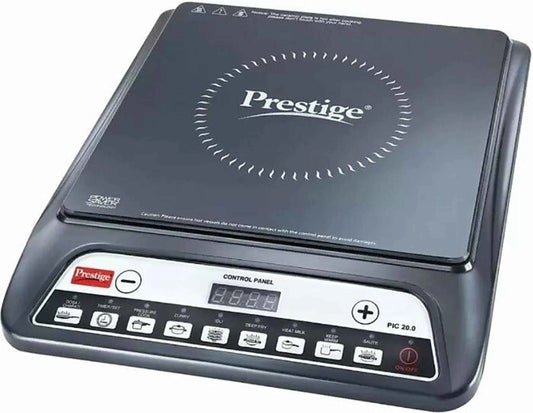
Regular Induction — Uses electromagnetic fields to heat only magnetic cookware. No heat generated otherwise. Very efficient but limited cookware compatibility.
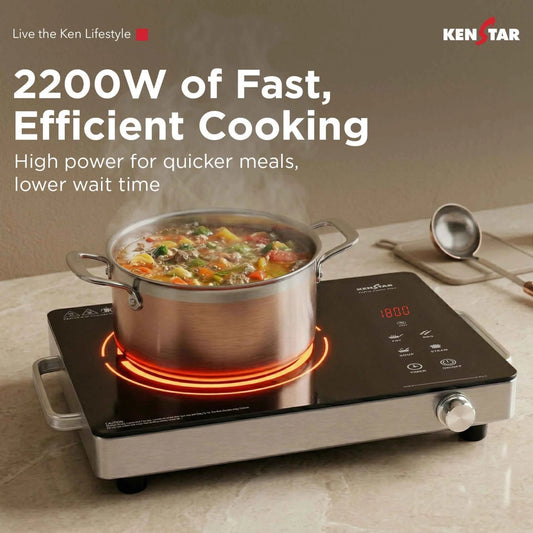
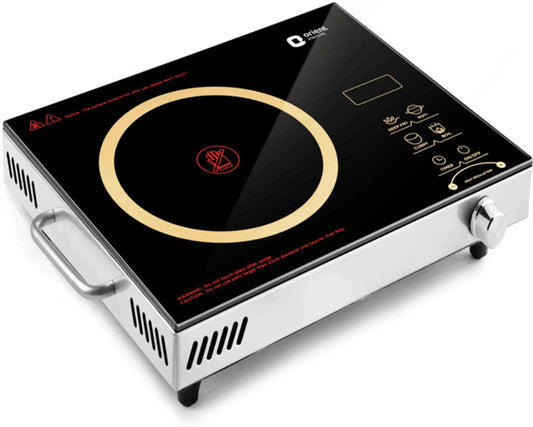
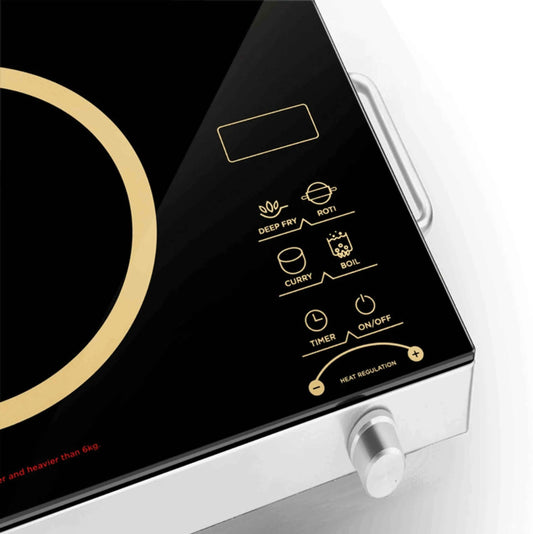
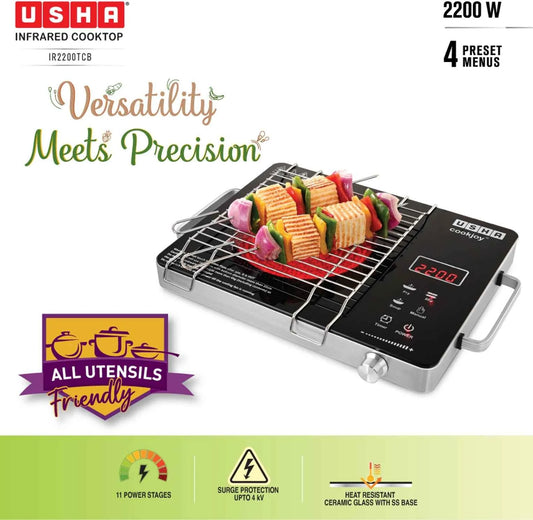
Infrared Cooktop — Uses infrared radiation to heat the glass surface, which then heats any flat-bottom vessel placed on it. Works like gas in terms of cookware compatibility but runs on electricity.
Cookware Compatibility — The Biggest Factor for Indian Kitchens
| Cookware | Gas | Regular Induction | Infrared |
|---|---|---|---|
| Stainless Steel | ✅ | ✅ | ✅ |
| Aluminium Pressure Cooker | ✅ | ❌ | ✅ |
| Non-stick Kadai | ✅ | ❌ | ✅ |
| Clay/Ceramic Pot | ✅ | ❌ | ✅ |
| Cast Iron Tawa | ✅ | ✅ | ✅ |
| Copper Vessel | ✅ | ❌ | ✅ |
This is the biggest reason infrared wins for Indian households. Most Indian kitchens have aluminium pressure cookers and non-stick kadais that simply won't work on regular induction. With infrared, everything works.
Speed and Cooking Performance
Gas is fast. Everyone knows this. But a 2200W infrared cooktop is comparable to a medium-high gas flame — fast enough for daily Indian cooking including pressure cooking, deep frying, and making chai.
Regular induction is actually the fastest of the three for heating magnetic cookware, but the cookware restriction is a dealbreaker for most.
Cost Comparison
| Gas | Regular Induction | Infrared | |
|---|---|---|---|
| Equipment cost | ₹1,500–4,000 | ₹1,500–4,000 | ₹2,500–5,000 |
| Monthly fuel cost | ₹900–1,350 | ₹240–360 | ₹240–360 |
| Dependency | LPG supply | Electricity | Electricity |
| Cookware cost (extra) | None | ₹2,000–5,000 | None |
Safety
Gas has open flame — risk of leaks, burns, and fire. Induction and infrared have no open flame. The glass surface on infrared does get hot (unlike induction), so caution is needed around children, but it's still significantly safer than gas.
The Verdict for 2026
Given the current LPG shortage, rising cylinder prices, and availability issues — gas stoves are the worst choice right now purely from a supply perspective. Regular induction forces you to buy new cookware. Infrared gives you everything — electricity independence, all cookware compatibility, and cost savings.
For Indian households in 2026, infrared cooktop is the clear winner.
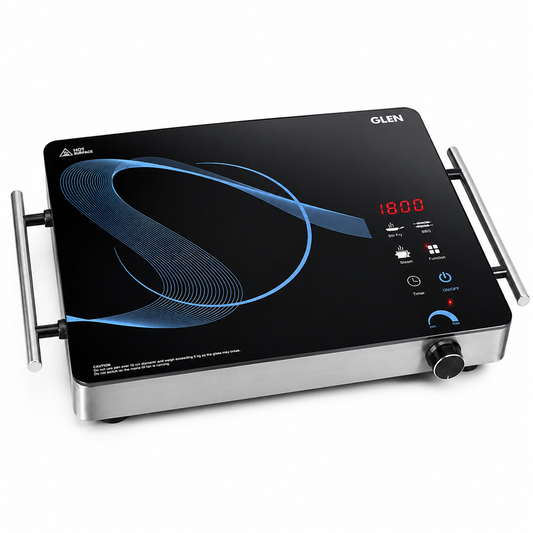
Our Recommendation: Glen SA-3072IR
2200W, works with all cookware, BBQ grill rack included, 180-minute timer, surge protection — ₹3,499 with free shipping.