How to Choose the Perfect Heavy Duty Sandwich Maker for Your Indian Street Food Stall
Share
Running a successful street food stall or small restaurant in India requires equipment that can handle the hustle and bustle of daily operations. Whether you're serving grilled sandwiches at a Mumbai railway station or operating a café in Delhi's Connaught Place, having the right heavy duty sandwich maker can make or break your business. This comprehensive heavy duty sandwich maker buying guide will help you make an informed decision that fits your specific needs and budget.
Understanding Your Business Requirements
Before diving into technical specifications, it's crucial to assess your business needs. Are you planning to serve 50 sandwiches a day or 500? Do you operate from a small cart with limited power supply, or do you have a dedicated kitchen space? These factors will significantly influence your choice of equipment.
Most successful street food vendors in cities like Bangalore, Pune, and Kolkata prefer commercial-grade sandwich makers that can handle continuous operation for 8-10 hours daily. Unlike home-use models, heavy duty sandwich makers are built to withstand the rigorous demands of commercial food preparation.
Key Features to Look for in a Heavy Duty Sandwich Maker
Build Quality and Material
The foundation of any reliable commercial sandwich maker lies in its construction. Look for models made from high-grade stainless steel or cast iron plates. These materials not only distribute heat evenly but also resist corrosion in India's humid climate conditions.
Stainless steel housing is particularly important if you're operating in coastal cities like Chennai or Goa, where salt air can quickly damage inferior materials. The hinges should be sturdy enough to handle frequent opening and closing throughout busy service hours.
Plate Size and Capacity
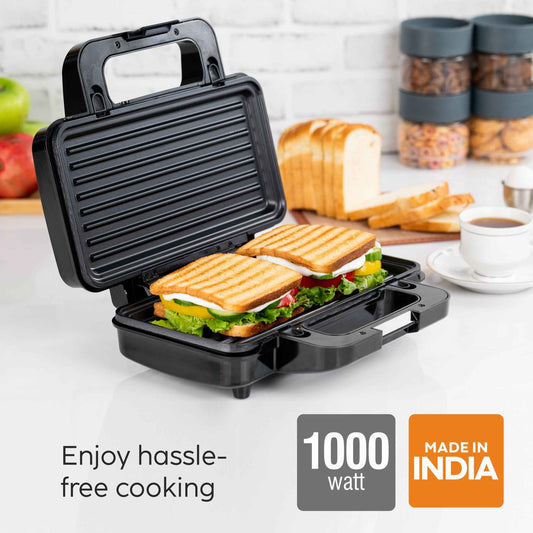
Consider the variety of sandwiches you plan to serve. While standard sandwich makers accommodate regular bread slices, many Indian customers prefer larger portions. A unit that can handle 4 jumbo bread slices simultaneously can significantly increase your serving capacity and reduce waiting times for customers.
Larger plates also offer versatility - you can prepare different types of sandwiches, from classic grilled cheese to elaborate club sandwiches with multiple layers. This flexibility is crucial for street food vendors who need to cater to diverse tastes.
Power Consumption and Efficiency
Power consumption is a critical factor, especially considering India's fluctuating electricity costs and occasional power shortages. Look for models that offer optimal heating performance without excessive power draw. Most commercial units consume between 1000-2000 watts, but efficient designs can deliver better results with lower consumption.
Temperature control features are equally important. Models with adjustable heat settings allow you to prepare different types of sandwiches - from lightly toasted vegetarian options to well-grilled meat sandwiches that comply with food safety standards.
Maintenance and Durability Considerations
Easy Cleaning Features
Street food operations require frequent cleaning to maintain hygiene standards. Choose sandwich makers with non-stick coated plates that are easy to clean between batches. Removable plates are a bonus, as they allow for thorough cleaning and maintenance.
Consider the availability of replacement parts and local service support. Brands with service centers in major Indian cities can save you significant downtime if repairs are needed.
Heat Distribution and Consistency
Uneven heating is a common problem with lower-quality sandwich makers. This results in inconsistent products - some portions overcooked while others remain undercooked. Professional-grade units feature better heat distribution systems that ensure uniform cooking across the entire plate surface.
Budget Considerations and ROI
While initial investment is important, focus on the total cost of ownership. A slightly more expensive unit that lasts longer and requires less maintenance often proves more economical in the long run. Calculate your expected daily usage and factor in electricity costs, maintenance expenses, and potential revenue generation.
For a typical street food stall serving 200-300 sandwiches daily, a heavy duty sandwich maker can pay for itself within 2-3 months through increased efficiency and reduced preparation time.
Comparison of Key Specifications
| Feature | Home Use Models | Heavy Duty Commercial |
|---|---|---|
| Capacity | 1-2 sandwiches | 4+ jumbo sandwiches |
| Power Consumption | 700-1000W | 1500-2000W |
| Operating Hours | 1-2 hours/day | 8-12 hours/day |
| Build Material | Plastic housing | Stainless steel/Cast iron |
| Warranty | 1 year | 2+ years |
Safety and Compliance
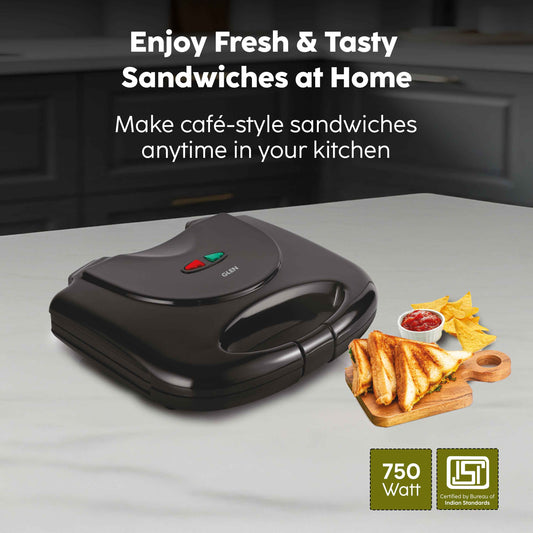
Food safety regulations in India are becoming increasingly stringent. Ensure your chosen sandwich maker meets ISI standards and has proper electrical safety certifications. Features like automatic temperature control and overheat protection are not just conveniences - they're essential safety measures that protect both your investment and customers.
Proper ventilation around the unit is crucial, especially in compact street food setups. Some models generate significant heat and steam, which can make working conditions uncomfortable during peak hours.
Recommended Solution for Your Business
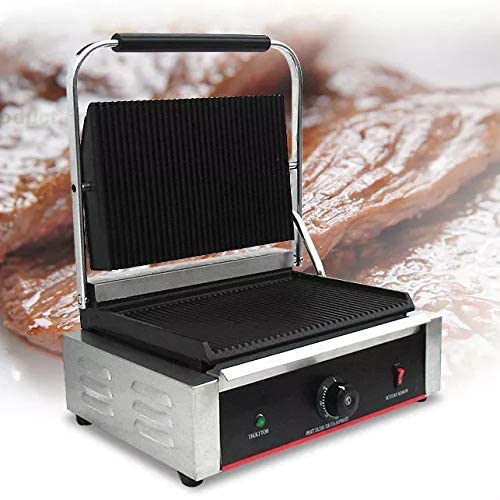
Based on the criteria outlined in this heavy duty sandwich maker buying guide, the Kitchen Etto Big Sandwich Grill maker stands out as an excellent choice for Indian street food vendors and small restaurant owners. This commercial-grade unit can handle 4 jumbo bread slices simultaneously, making it perfect for high-volume operations.
The robust construction ensures durability under constant use, while the large cooking surface provides the versatility needed to serve diverse customer preferences. At ₹8,699, it represents excellent value for money considering the commercial-grade features and build quality.
This model is particularly well-suited for vendors who want to upgrade from basic home-use units to professional-grade equipment without the massive investment required for industrial-scale machines.
Making the Final Decision
Choosing the right heavy duty sandwich maker is an investment in your business's future. Consider your current needs, but also think about where you want your business to be in the next 2-3 years. A unit that can grow with your business often proves to be the smartest choice.
Remember that the cheapest option is rarely the most economical in the long run. Focus on finding the best balance between features, durability, and cost that aligns with your business goals and budget constraints.