Glass Top vs Steel Top Gas Stove: Which Is Better for Indian Kitchens in 2026?
Share
Choosing the right gas stove for your Indian kitchen can be a daunting task, especially when deciding between glass top and steel top variants. With the evolving needs of modern Indian households and the traditional demands of Indian cooking, this glass top gas stove comparison will help you make an informed decision that suits your family's requirements.
Understanding Glass Top Gas Stoves
Glass top gas stoves have gained significant popularity in Indian metros like Delhi, Mumbai, and Bangalore over the past few years. These sleek appliances feature a tempered glass surface that houses the burners, offering a contemporary look that complements modern kitchen designs.
The glass used in these stoves is specially treated to withstand high temperatures and thermal shock, making them suitable for the intense heat requirements of Indian cooking styles like tadka preparation and high-flame cooking.
Steel Top Gas Stoves: The Traditional Choice
Steel top gas stoves have been the backbone of Indian kitchens for decades. Made from stainless steel or mild steel with powder coating, these stoves are known for their robustness and ability to handle heavy cookware commonly used in Indian households.
From handling large pressure cookers for dal and rice preparation to supporting heavy kadais for elaborate vegetable curries, steel top stoves have proven their mettle in countless Indian homes.
Detailed Comparison: Glass Top vs Steel Top
Durability and Strength
Glass Top: Modern glass top stoves use 8mm thick tempered glass that can withstand temperatures up to 400°C. However, they can be susceptible to sudden impact damage if heavy utensils are dropped accidentally.
Steel Top: Steel surfaces are virtually indestructible under normal kitchen conditions. They can handle the weight of large pressure cookers, heavy-bottomed pans, and traditional Indian cookware without any concerns.
Maintenance and Cleaning
| Aspect | Glass Top | Steel Top |
|---|---|---|
| Cleaning Ease | Easy to wipe, smooth surface | Requires more scrubbing |
| Stain Resistance | Shows water spots easily | Better stain hiding |
| Scratch Resistance | Can scratch with abrasive cleaning | Highly scratch resistant |
Heat Distribution and Cooking Performance
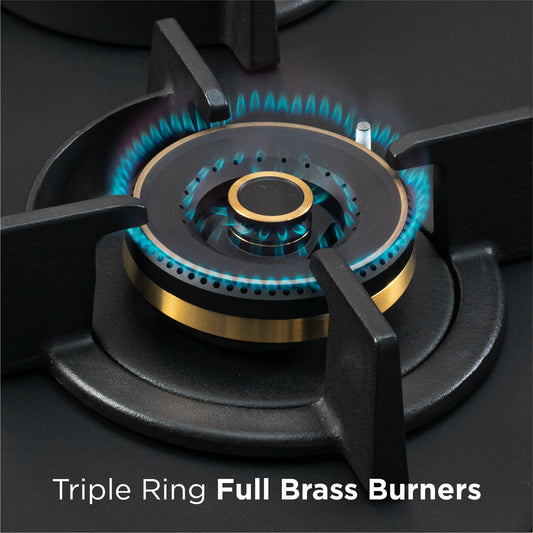
Both glass and steel top stoves offer excellent heat distribution when equipped with quality burners. The Sujata Premium Gas Stove Auto Ignition | 9 Years Warranty | Gas Stove 4 Burners Glass Top, SABAF, ISI Certified, LPG & PNG Compatible, 360° Rotating Brass Gas Nozzle, Jumbo Brass Burner (Black) exemplifies how modern glass top stoves can deliver superior performance with features like 360° rotating brass nozzles and jumbo burners designed specifically for Indian cooking needs.
Suitability for Indian Cooking Styles
Heavy Cookware Compatibility
Indian cooking often involves heavy utensils like large pressure cookers, cast iron tawas, and thick-bottomed kadais. While quality glass top stoves can handle this weight, steel top variants offer more confidence for users who frequently use extremely heavy cookware.
High-Temperature Cooking
Both types perform well under high-temperature conditions required for Indian cooking techniques like bhunoing masalas and making rotis on direct flame. The key lies in choosing a stove with quality burners rather than focusing solely on the top material.
Cost Considerations
Glass top stoves generally command a premium over their steel counterparts due to the specialized glass and manufacturing processes involved. However, the price gap has narrowed significantly, making glass top options more accessible to middle-class Indian families.
When considering long-term value, options like the Sujata Premium Gas Stove Auto Ignition | 9 Years Warranty | Gas Stove 4 Burners Glass Top, SABAF, ISI Certified, LPG & PNG Compatible, 360° Rotating Brass Gas Nozzle, Jumbo Brass Burner (Black) offer excellent value with extended warranty periods and premium features.
Safety Features and Certifications
Both glass and steel top stoves can be equally safe when they carry proper ISI certification and include safety features like auto-ignition and flame failure protection. The material of the top doesn't significantly impact the overall safety profile of the appliance.
Which Should You Choose?
Choose Glass Top If:
- You prioritize aesthetics and modern kitchen design
- Easy cleaning is important to you
- You cook primarily with medium-weight cookware
- You want a stove that complements contemporary kitchen appliances
Choose Steel Top If:
- You frequently use very heavy cookware
- Durability is your top priority
- You prefer a more budget-friendly option
- You're concerned about accidental damage from dropping utensils
Final Verdict
The choice between glass top and steel top gas stoves ultimately depends on your specific cooking habits, kitchen design preferences, and budget considerations. Modern glass top stoves have overcome most durability concerns and offer excellent performance for typical Indian cooking needs.
For most urban Indian households in 2026, a quality glass top stove provides the perfect balance of aesthetics, functionality, and ease of maintenance. However, if you're someone who frequently cooks for large families or uses extremely heavy traditional cookware, a steel top might still be the more practical choice.
Remember to prioritize features like ISI certification, quality burners, auto-ignition, and warranty coverage regardless of whether you choose glass or steel top construction.