Commercial Sandwich Griller vs Regular Home Toasters: Why Indian Restaurants Are Making the Switch in 2026
Share
Walk into any bustling café in Connaught Place or a street-side sandwich stall in Mumbai, and you'll notice something interesting happening. The humble home toasters that once dominated Indian kitchens are being replaced by robust commercial sandwich grillers. This shift isn't just a trend—it's a smart business decision that's transforming how Indian food businesses operate.
If you're running a café, restaurant, or even a small food stall, understanding the difference between a commercial sandwich griller vs home toaster could be the key to boosting your profits and customer satisfaction. Let's dive deep into why this equipment upgrade is becoming essential for Indian food businesses.
Understanding the Core Differences
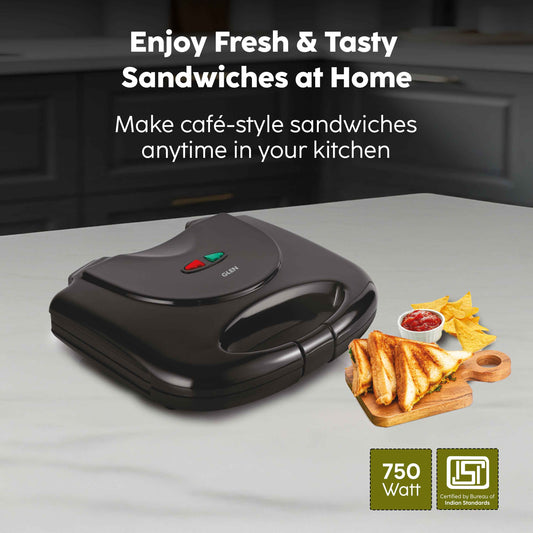
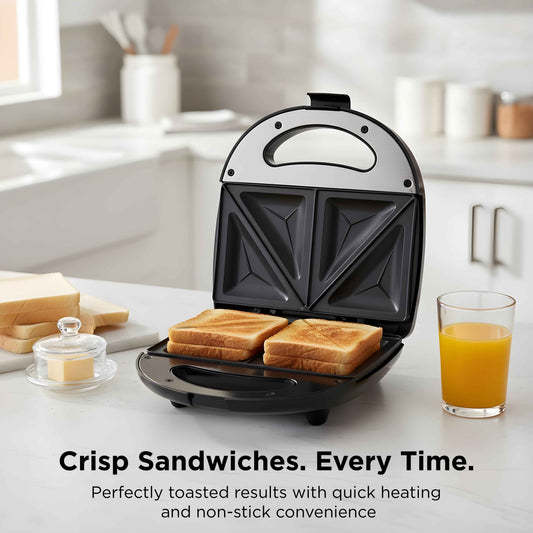
The fundamental difference between commercial sandwich grillers and regular home toasters goes beyond just size. While your typical home toaster might handle 2-4 bread slices at a time, commercial units are engineered to meet the demanding needs of food businesses.
Home toasters work well for families preparing breakfast for 4-5 people. But imagine the chaos during peak hours at a café in Khan Market or a busy restaurant in Bangalore's Brigade Road when customers are queuing up for their favorite grilled sandwiches. This is where commercial equipment truly shines.
Capacity and Speed: The Game Changers
Volume Handling Capabilities
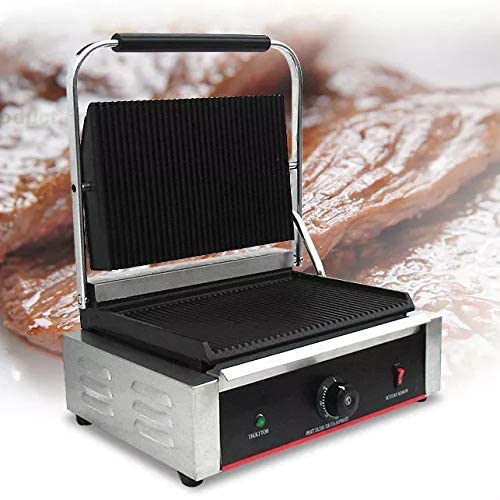
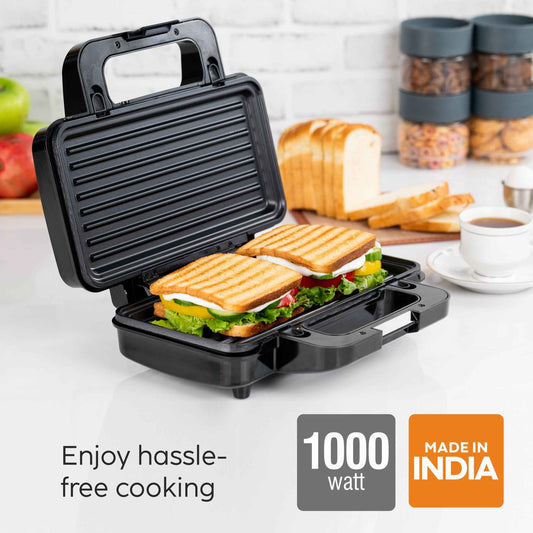
Commercial sandwich grillers can handle significantly higher volumes without compromising on quality. Take the Kitchen Etto Big Sandwich Grill maker, which can accommodate 4 jumbo breads simultaneously. This means you can prepare multiple orders in one go, reducing waiting times and increasing customer turnover.
During peak hours—think lunch rush at 1 PM or evening snack time at 6 PM—this capacity difference becomes crucial. While a home toaster might leave customers waiting for 15-20 minutes during busy periods, commercial units can cut this down to 5-7 minutes.
Consistent Heat Distribution
Indian food businesses need equipment that delivers consistent results. Commercial grillers are designed with superior heating elements that ensure uniform cooking across all bread slices. This consistency is vital when you're serving customers who expect the same quality every time they visit your establishment.
Durability: Built for Indian Conditions
Indian kitchens face unique challenges—high humidity in coastal cities like Chennai and Kolkata, frequent power fluctuations, and intensive daily usage. Home toasters simply aren't built to withstand these conditions over extended periods.
Commercial sandwich grillers are engineered with heavy-duty components that can handle continuous operation. The materials used are typically stainless steel or other commercial-grade metals that resist corrosion and wear. This durability becomes especially important in cities like Delhi, where dust and pollution can affect equipment longevity.
Return on Investment: The Numbers Game
Initial Investment vs Long-term Savings
Yes, the upfront cost of commercial equipment is higher. A quality commercial sandwich griller might cost anywhere from ₹8,000 to ₹15,000, while home toasters are available for ₹2,000-₹4,000. But here's where smart business thinking comes in.
Consider this scenario: A popular sandwich stall in Pune's FC Road serves approximately 200 sandwiches daily. With a home toaster, they might need to replace the unit every 8-10 months due to intensive usage. That's ₹3,000-₹4,000 annually, plus the cost of downtime and potential customer loss.
A commercial unit, costing around ₹10,000, can last 3-4 years under the same conditions. The math is simple—better ROI and reduced operational headaches.
Revenue Impact
Faster service directly translates to higher revenue. When you can serve more customers in the same timeframe, your daily earnings increase. Many café owners in cities like Hyderabad and Ahmedabad report 20-30% increase in sandwich sales after switching to commercial equipment.
Feature Comparison: Commercial vs Home Units
| Feature | Home Toaster | Commercial Griller |
|---|---|---|
| Bread Capacity | 2-4 slices | 4-8 jumbo breads |
| Daily Usage Limit | 2-3 hours | 10-12 hours |
| Lifespan (Commercial Use) | 8-12 months | 3-4 years |
| Power Consumption | 800-1200W | 1500-2500W |
| Price Range | ₹2,000-₹4,000 | ₹8,000-₹15,000 |
| Warranty | 1 year | 2-3 years |
Why Indian Restaurants Are Making the Switch
Adapting to Indian Food Preferences
Indian customers love their variety. From simple butter toast to elaborate club sandwiches with multiple layers, commercial grillers can handle diverse requirements. The adjustable temperature controls and larger cooking surfaces accommodate everything from thin bread slices to thick, stuffed parathas.
Meeting Hygiene Standards
With increasing awareness about food safety and hygiene, especially post-COVID, commercial equipment offers better cleaning options. Stainless steel surfaces are easier to sanitize, and removable parts make thorough cleaning possible—something that's becoming increasingly important for obtaining and maintaining food licenses in Indian cities.
Choosing the Right Commercial Sandwich Griller
When selecting commercial equipment for your Indian food business, consider factors like local voltage compatibility, availability of service centers in your city, and the specific needs of your menu. The Kitchen Etto Big Sandwich Grill maker, for instance, is designed keeping Indian requirements in mind, with features that work well for both traditional Indian breads and western-style sandwiches.
Size and Space Considerations
Indian commercial kitchens, especially in metropolitan areas, often work with space constraints. Modern commercial grillers are designed to maximize output while minimizing counter space usage. This efficiency is crucial for businesses operating in high-rent areas like Mumbai's Bandra or Delhi's Greater Kailash.
The Future of Indian Food Business Equipment
As India's food service industry continues to grow, the demand for professional-grade equipment will only increase. Restaurant owners and café entrepreneurs who invest in quality commercial equipment today are positioning themselves for long-term success.
The shift from home appliances to commercial-grade equipment represents a maturing of the Indian food service industry. It's about recognizing that professional businesses need professional tools to deliver consistent quality and maximize profitability.
Making the Investment Decision
If you're still using home toasters in your food business, it's time to calculate the true cost of that choice. Factor in replacement frequency, downtime costs, customer dissatisfaction due to slow service, and missed revenue opportunities during peak hours.
The transition to commercial equipment isn't just an upgrade—it's a strategic business decision that can transform your operations, improve customer satisfaction, and boost your bottom line.
Ready to take your sandwich game to the next level? The Kitchen Etto Big Sandwich Grill maker offers the perfect blend of capacity, durability, and value for money that Indian food businesses need. With its ability to handle 4 jumbo breads simultaneously and robust construction designed for commercial use, it's the smart choice for forward-thinking restaurateurs.