Café Startup Equipment Budget: How Much Should You Really Spend on Kitchen Appliances in India?
Share
Starting a café in India's bustling food scene is an exciting venture, but it comes with significant financial planning challenges. One of the most critical aspects of your café startup equipment budget India is understanding exactly how much to invest in kitchen appliances without breaking the bank or compromising on quality.
Whether you're planning to open in Delhi's Connaught Place, Mumbai's Bandra, or Bangalore's Koramangala, getting your equipment budget right can make or break your café's success. Let's dive deep into the real costs and smart allocation strategies for your café kitchen setup.
Understanding Your Café Equipment Investment
The kitchen equipment typically accounts for 25-35% of your total café startup budget in India. For a mid-sized café serving 100-150 customers daily, you're looking at an investment ranging from ₹3 lakhs to ₹8 lakhs for kitchen appliances alone.
This might seem steep, but remember – your kitchen equipment is the heart of your business. Quality appliances ensure consistent food preparation, reduce maintenance costs, and help maintain hygiene standards that Indian food safety regulations demand.
Essential Kitchen Appliances Budget Breakdown
High-Priority Equipment (60% of kitchen budget)
These are the non-negotiables that directly impact your ability to serve customers:
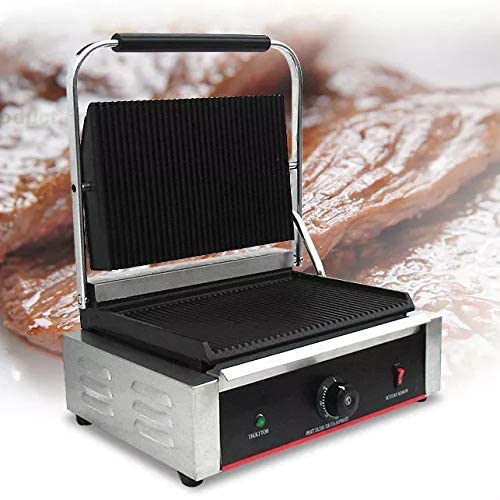
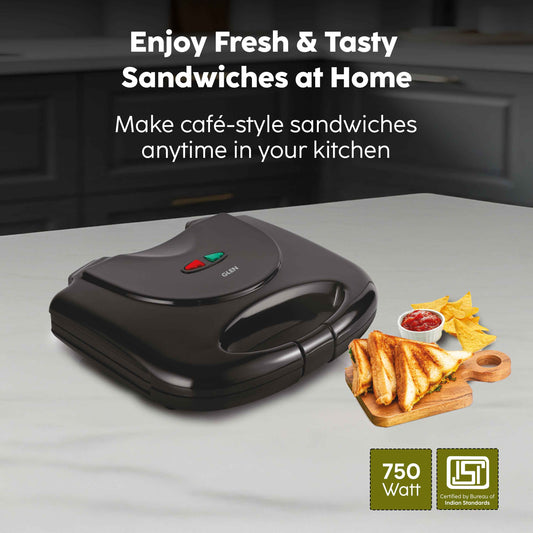
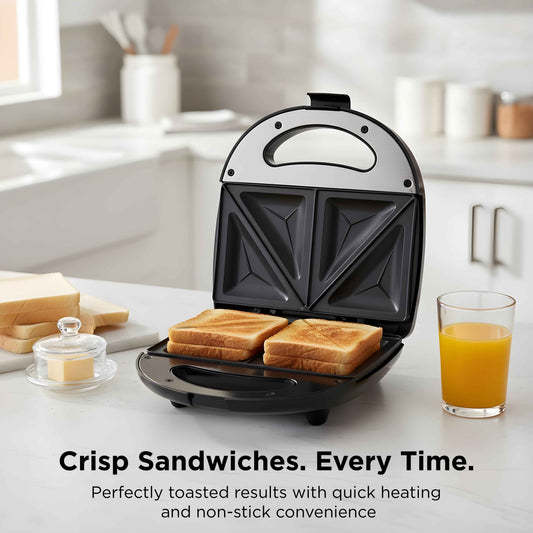
- Commercial Sandwich Griller/Toaster: ₹8,000 - ₹25,000
- Coffee Machine: ₹40,000 - ₹1,50,000
- Refrigeration Units: ₹30,000 - ₹80,000
- Gas Burner/Hot Plate: ₹15,000 - ₹35,000
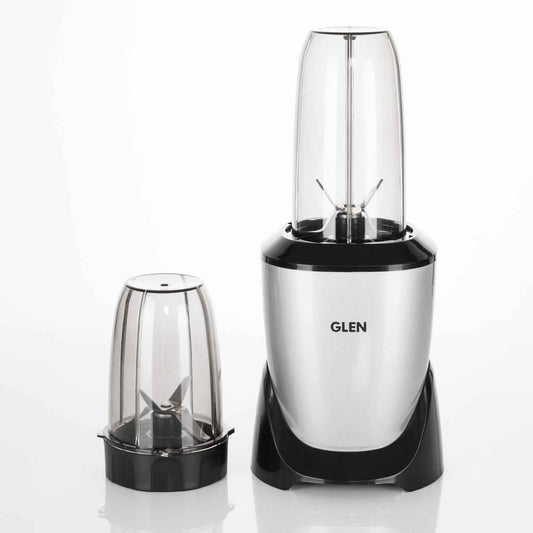
- Mixer Grinder (Heavy Duty): ₹8,000 - ₹20,000
Medium-Priority Equipment (25% of kitchen budget)
Important for efficiency but can be upgraded gradually:
- Food Processor: ₹12,000 - ₹30,000
- Microwave Oven: ₹15,000 - ₹40,000
- Water Purifier System: ₹10,000 - ₹25,000
- Exhaust Fan/Chimney: ₹8,000 - ₹20,000
Low-Priority Equipment (15% of kitchen budget)
Nice-to-have items that can be added later:
- Dishwasher: ₹25,000 - ₹60,000
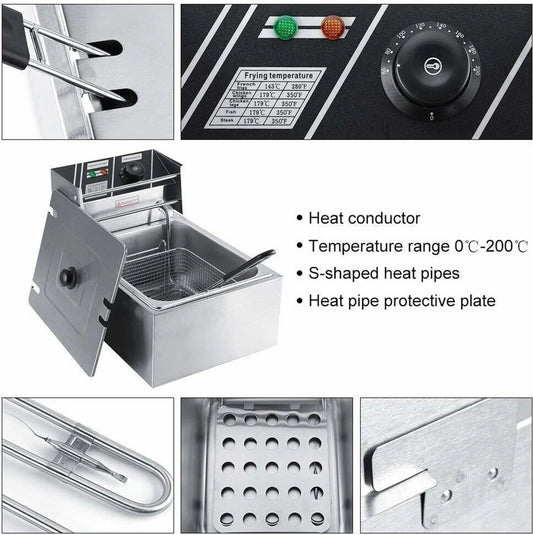
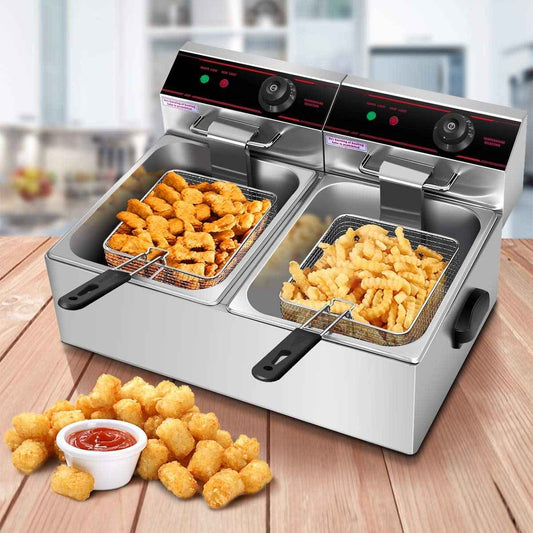
- Deep Fryer: ₹12,000 - ₹35,000
- Ice Cream Freezer: ₹20,000 - ₹50,000
Menu-Based Budget Allocation Strategy
Sandwich & Toast Focused Café
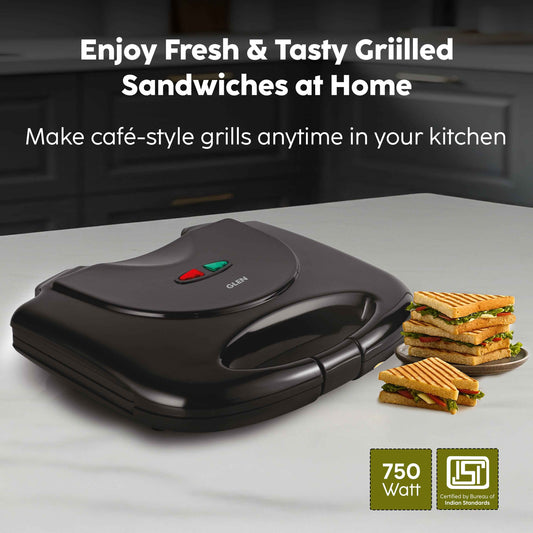
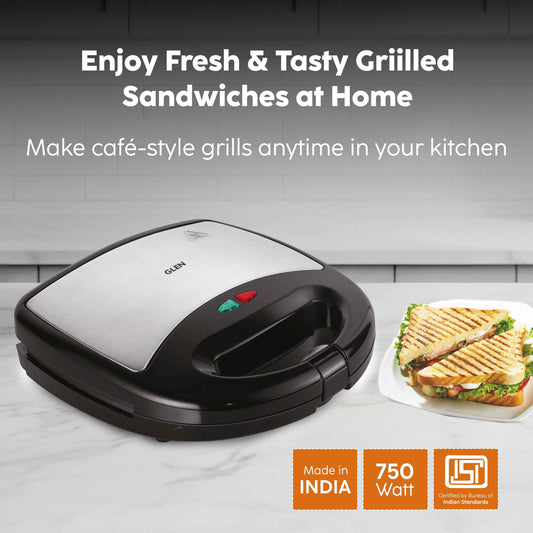
If your menu heavily features sandwiches, grilled items, and toasts – popular choices in Indian café culture – investing in a high-quality commercial sandwich griller becomes crucial. You'll want to allocate 15-20% of your kitchen budget to grilling equipment.
For busy locations like Delhi's Khan Market or Pune's FC Road, having equipment that can handle multiple orders simultaneously is essential. A commercial-grade sandwich griller that can prepare 4 jumbo sandwiches at once can significantly boost your service speed during peak hours.
Beverage-Heavy Menu
If you're focusing on chai, coffee, and cold beverages (perfect for Indian preferences), allocate 40-50% of your budget to beverage equipment including espresso machines, tea brewers, and cold storage.
All-Round Menu
For cafés offering everything from Indian snacks like samosas to continental dishes, distribute your budget more evenly across all equipment categories, with slight emphasis on versatile appliances.
Equipment Budget Based on Café Size and Location
| Café Type | Seating Capacity | Kitchen Equipment Budget | Key Focus Areas |
|---|---|---|---|
| Tier 1 City Premium | 50-80 seats | ₹6-8 Lakhs | High-end coffee machines, commercial grills |
| Tier 1 City Standard | 30-50 seats | ₹4-6 Lakhs | Balanced equipment, reliable brands |
| Tier 2/3 City | 25-40 seats | ₹2.5-4 Lakhs | Essential equipment, local brand options |
| Quick Service/Takeaway | 10-20 seats | ₹1.5-3 Lakhs | Fast preparation equipment |
Smart Money-Saving Tips for Equipment Purchase
Buy During Festival Sales
Indian retailers often offer significant discounts during Diwali, year-end, and summer sales. Planning your equipment purchase around these times can save 15-25% on your total budget.
Consider Refurbished Options
For non-critical equipment, certified refurbished appliances can cut costs by 30-40%. However, always buy new for high-usage items like coffee machines and grills.
Local vs. International Brands
Indian brands like Bajaj, Prestige, and Butterfly offer excellent value for money and better service support in smaller cities. Reserve international brands for critical equipment where quality cannot be compromised.
Hidden Costs to Factor In
Your equipment budget should include:
- Installation costs: 5-8% of equipment cost
- Initial maintenance contracts: ₹15,000-25,000 annually
- Extended warranties: 3-5% of equipment cost
- Staff training: ₹5,000-10,000
Featured Equipment Spotlight
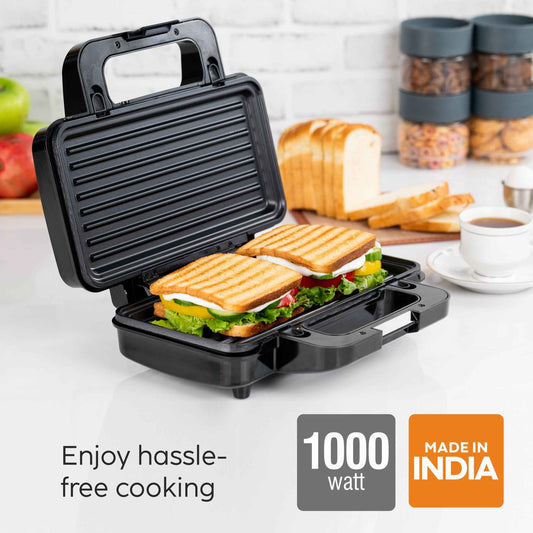
For cafés focusing on sandwich and toast preparations, investing in professional-grade equipment pays dividends. The Kitchen Etto Big Sandwich Grill maker stands out as an excellent choice for serious café operations.
This commercial sandwich griller can handle 4 jumbo breads simultaneously, making it perfect for handling rush hours in busy Indian cafés. At ₹8,699, it represents excellent value in the commercial grilling segment, offering durability and efficiency that smaller domestic units simply cannot match.
The ability to prepare multiple sandwiches at once means faster service times, happier customers, and ultimately higher revenue per hour – crucial factors in India's competitive café market.
ROI Expectations and Timeline
Quality kitchen equipment typically pays for itself within 8-14 months in a well-run café. However, this depends heavily on:
- Location footfall and pricing strategy
- Equipment utilization rates
- Maintenance and downtime costs
- Energy efficiency of chosen appliances
Making the Final Decision
Remember, your café startup equipment budget India should align with your business model, target customers, and growth plans. Don't over-invest in equipment that won't generate proportional revenue, but never compromise on items critical to your core offerings.
Start with essential, high-quality equipment for your main menu items, then expand gradually as your business grows and cash flow improves. This approach has helped thousands of successful café owners across India build sustainable businesses.
The key is finding that sweet spot between functionality, durability, and cost-effectiveness – ensuring your café can deliver consistent quality while maintaining healthy profit margins in India's dynamic food service market.