Built-in vs Portable Induction: What Works Best for Indian Kitchen Layouts?
Share
Choosing between built-in and portable induction cooktops is one of the most important decisions Indian homeowners face when upgrading their kitchens. With rising electricity costs, space constraints, and the growing popularity of induction cooking for its efficiency, understanding which option suits your specific situation can save you both money and regret later.
Understanding Your Kitchen Reality
Indian kitchens come in all shapes and sizes – from the compact 6x4 feet spaces in Mumbai apartments to the sprawling traditional kitchens in Delhi homes. Before diving into the technical differences, it's crucial to assess your current kitchen layout, future plans, and cooking habits.
Are you a renter in Bangalore's tech corridors, or do you own your home in Pune? Do you regularly prepare elaborate meals with multiple dishes cooking simultaneously, or are you more of a quick dal-chawal person? These factors significantly influence whether built-in or portable induction works better for you.
Built-in Induction: The Premium Kitchen Solution
Advantages of Built-in Induction Cooktops
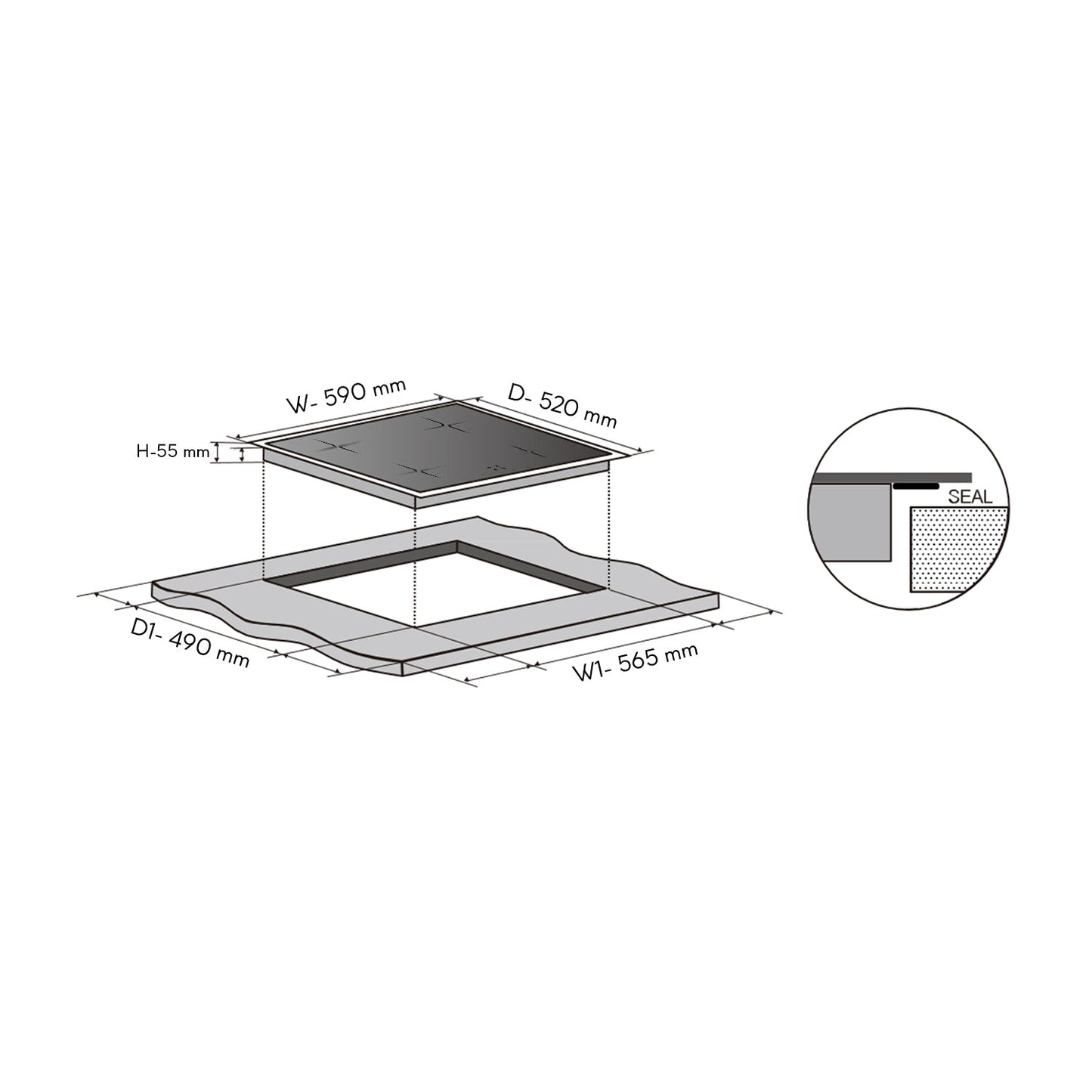
Built-in induction cooktops offer a sleek, integrated look that transforms any kitchen into a modern culinary space. The 4 Zone Built in Induction Hob 9 Power Levels with Touch Control & Timer Function (BH1014IC4Z) exemplifies this perfectly, offering multiple cooking zones that can handle everything from your morning tea to elaborate weekend biryanis.
The space-saving design is particularly valuable in Indian kitchens where every inch counts. Unlike portable units that occupy counter space, built-in models create a seamless cooking surface that's easy to clean and maintain. This is especially beneficial when you're preparing complex Indian meals that require multiple pots and pans.
Installation Considerations
Installing built-in induction requires careful planning and often professional help. You'll need adequate electrical supply, proper ventilation, and sometimes cabinet modifications. In cities like Chennai and Kolkata, where older apartments might have limited electrical capacity, this could mean additional wiring work.
The installation process typically takes 2-4 hours and costs between ₹2,000 to ₹5,000 depending on your location and requirements. However, once installed, built-in units offer superior stability and performance compared to portable alternatives.
Portable Induction: Flexibility Meets Convenience
Why Portable Induction Appeals to Indian Consumers
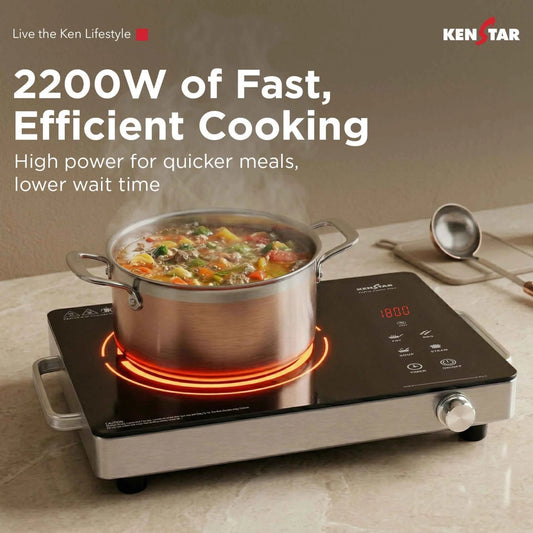
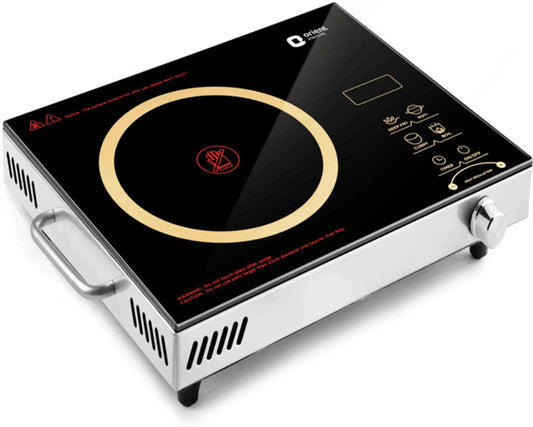
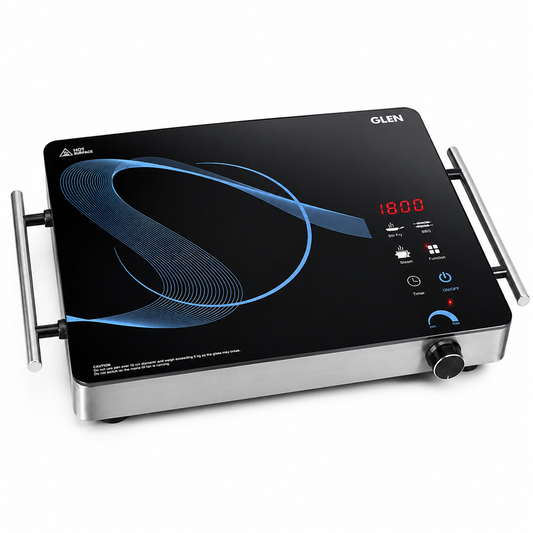
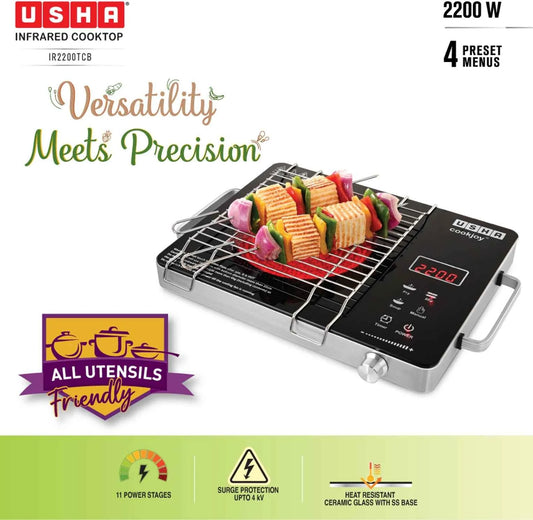
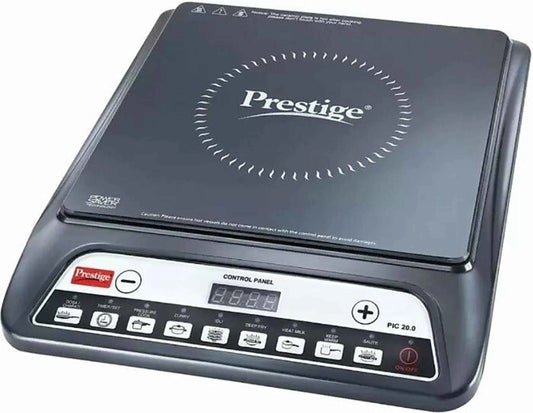
Portable induction cooktops have gained massive popularity across Indian households for their affordability and convenience. Priced between ₹2,000 to ₹8,000, they offer an accessible entry point into induction cooking without major kitchen renovations.
For renters, especially young professionals in cities like Hyderabad and Gurgaon, portable units make perfect sense. You can take them with you when you move, use them outdoors during festivals, or even carry them to your hometown during extended stays.
Limitations to Consider
Portable induction cooktops typically offer less cooking area and fewer simultaneous cooking options. While adequate for small families or basic cooking needs, they might struggle during festival seasons when you're preparing multiple dishes for guests.
The stability factor is another concern. Portable units can shift during vigorous cooking – something that's common when preparing Indian dishes that require constant stirring and tossing.
Detailed Comparison: Built-in vs Portable Induction
| Factor | Built-in Induction | Portable Induction |
|---|---|---|
| Initial Cost | ₹15,000 - ₹50,000+ | ₹2,000 - ₹8,000 |
| Installation | Professional required | Plug and use |
| Cooking Zones | 2-4 zones typically | Usually single zone |
| Space Efficiency | Excellent - flush mount | Occupies counter space |
| Mobility | Fixed installation | Completely portable |
| Power Output | Higher, more consistent | Limited, varies by model |
| Resale Value | Adds to property value | Depreciation like electronics |
Making the Right Choice for Your Situation
Choose Built-in Induction If:
You own your home and plan to stay long-term, regularly cook elaborate Indian meals requiring multiple burners, have adequate budget for initial investment and installation, or want to increase your property's value. The 4 Zone Built in Induction Hob 9 Power Levels with Touch Control & Timer Function (BH1014IC4Z) would be perfect for families who frequently entertain guests or have multiple family members with different cooking schedules.
Choose Portable Induction If:
You're renting and move frequently, have budget constraints, need cooking flexibility for outdoor events, or want to test induction cooking before committing to built-in options. Portable units work well for bachelors, small families, or as supplementary cooking options during peak cooking periods.
Indian Kitchen Specific Considerations
Indian cooking involves high-heat techniques like tempering (tadka), deep frying, and pressure cooking. Built-in models generally handle these requirements better with consistent power delivery and better heat distribution. The multiple zones in models like the 4 Zone Built in Induction Hob 9 Power Levels with Touch Control & Timer Function (BH1014IC4Z) allow you to simultaneously prepare rice, dal, sabzi, and rotis – a typical Indian meal requirement.
For festivals and special occasions when cooking volume increases dramatically, built-in options provide the reliability and capacity needed. However, for everyday cooking in smaller households, portable induction can be perfectly adequate.
Final Verdict
The choice between built-in and portable induction ultimately depends on your specific circumstances, cooking habits, and future plans. Built-in induction offers superior performance, aesthetics, and long-term value but requires higher upfront investment. Portable induction provides flexibility and affordability but with some performance trade-offs.
Consider your cooking frequency, family size, housing situation, and budget carefully before making this important kitchen decision. Both options can serve Indian kitchens well when chosen thoughtfully.