9 Power Level Induction Guide: Perfect Settings for Every Indian Cooking Method
Share
Mastering your induction cooktop's power levels can transform your Indian cooking experience. Whether you're preparing a delicate kheer or searing paneer for biryani, understanding the right induction power levels cooking settings will help you achieve restaurant-quality results at home.
Understanding Induction Power Levels
Modern induction cooktops come with 9 power levels, each designed for specific cooking techniques. Unlike traditional gas stoves where flame control can be imprecise, induction technology offers consistent heat distribution and precise temperature control that's perfect for Indian cuisine's diverse cooking requirements.
Power levels typically range from 1 (lowest heat) to 9 (highest heat), with each level corresponding to specific wattage outputs. This precision is what makes induction cooking so popular among home chefs in Mumbai, Delhi, Bangalore, and across India.
Complete Power Level Guide for Indian Cooking
Power Levels 1-2: Gentle Warming and Slow Cooking
These lowest settings are perfect for:
- Keeping rotis warm: Place cooked chapatis on a tawa at level 1 to keep them soft and warm
- Slow simmering dal: After initial cooking, reduce to level 2 for perfect texture
- Melting ghee: Gentle heat prevents burning and maintains nutritional value
- Keeping curry warm: Ideal for dinner parties when you need to keep dishes at serving temperature
Power Levels 3-4: Low to Medium Heat
Essential for:
- Preparing tadka: Heat oil gently before adding cumin seeds, mustard seeds, and curry leaves
- Slow-cooking rajma and chole: Allows legumes to cook evenly without breaking apart
- Making kheer: Prevents milk from burning while achieving that perfect creamy consistency
- Tempering spices: Allows whole spices to release their flavors without burning
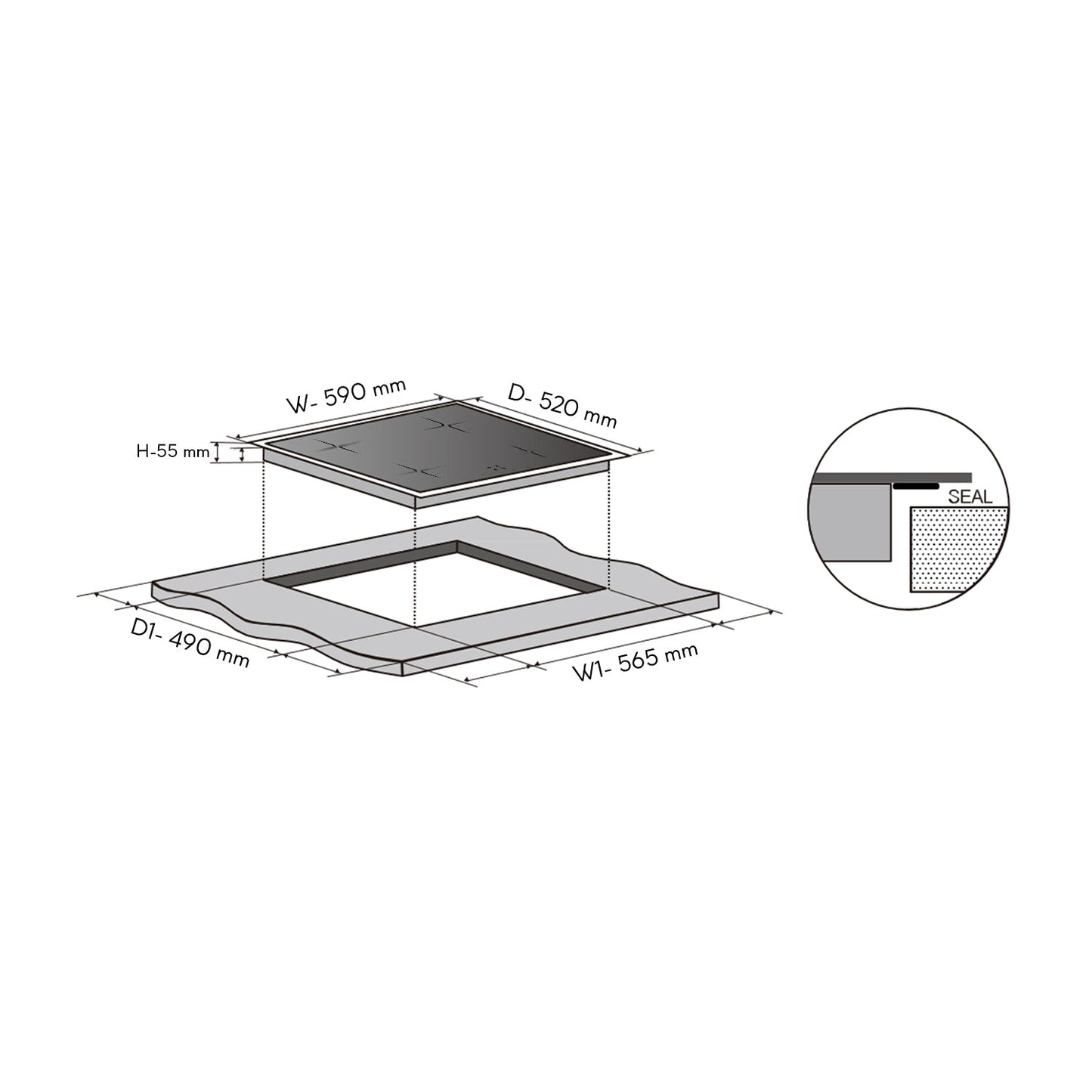
The 4 Zone Built in Induction Hob 9 Power Levels with Touch Control & Timer Function (BH1014IC4Z) excels at these precise low-heat applications with its advanced temperature control system.
Power Levels 5-6: Medium Heat Cooking
Perfect for:
- Cooking rice: Ideal heat level for perfectly fluffy basmati rice
- Making parathas: Ensures even cooking without burning
- Preparing gravies: Allows onions to caramelize slowly and spices to cook thoroughly
- Boiling vegetables: Gentle enough to maintain nutritional value
Power Levels 7-8: High Heat for Quick Cooking
Excellent for:
- Stir-frying vegetables: High heat preserves crunch and nutrients
- Making dosas: Quick, even heat for that perfect golden color
- Searing paneer: Creates beautiful caramelization without overcooking
- Quick boiling: Rapidly brings water to boil for pasta or noodles
Power Level 9: Maximum Heat
Reserve for:
- Boiling large quantities of water: For cooking pasta, steaming, or blanching
- Wok cooking: High heat essential for authentic Indo-Chinese dishes
- Initial searing: Quick browning of meats before slow cooking
Power Level Cooking Chart for Indian Dishes
| Power Level | Best For | Example Dishes |
|---|---|---|
| 1-2 | Warming, Melting | Keeping rotis warm, melting ghee |
| 3-4 | Slow cooking, Tadka | Dal tadka, rajma, kheer |
| 5-6 | Medium cooking | Rice, parathas, curry base |
| 7-8 | High heat cooking | Dosas, stir-fries, searing |
| 9 | Maximum heat | Boiling water, wok cooking |
Pro Tips for Using Induction Power Levels
Cookware Matters
Always use induction-compatible cookware for optimal heat transfer. Heavy-bottomed pans work best for even heat distribution, especially important when making dishes like biryani or halwa.
Preheating Strategy
Start at a higher power level to reach desired temperature quickly, then reduce to maintain consistent heat. This technique works wonderfully for making perfect tadka – start at level 7 to heat oil quickly, then reduce to level 3-4 for tempering spices.
For families who love cooking multiple dishes simultaneously, the 4 Zone Built in Induction Hob 9 Power Levels with Touch Control & Timer Function (BH1014IC4Z) allows you to use different power settings across four cooking zones simultaneously.
Timer Function Benefits
Use built-in timers for dishes that require specific cooking times. This is particularly helpful for:
- Soaking poha for the right texture
- Pressure cooking dal to perfection
- Ensuring rice doesn't overcook
Common Mistakes to Avoid
Many home cooks in Indian kitchens make these errors:
- Using maximum heat for everything: This leads to burnt food and uneven cooking
- Not adjusting power levels during cooking: Most Indian dishes require different heat levels at different stages
- Ignoring cookware size: Using small pans on high power levels wastes energy and can damage cookware
Energy Efficiency and Cost Savings
Understanding proper power level usage can significantly reduce electricity bills. Using appropriate heat levels means faster cooking times and less energy consumption. In cities like Chennai and Pune where electricity costs are rising, this efficiency becomes even more valuable.
The advanced control system in premium induction hobs like the 4 Zone Built in Induction Hob 9 Power Levels with Touch Control & Timer Function (BH1014IC4Z) ensures optimal energy usage while delivering consistent results.
Conclusion
Mastering induction power levels transforms your cooking from guesswork to precision. Whether you're making a simple dal tadka or an elaborate biryani, using the right power settings ensures consistent, delicious results every time. Remember, great Indian cooking is about understanding your tools and techniques – and now you have both.