LPG vs PNG Compatible Stoves: Which Gas Connection Suits Your Indian Home?
Share
Choosing the right gas connection for your Indian kitchen can be quite a dilemma. With changing urban infrastructure and evolving gas supply scenarios across Indian cities like Delhi, Mumbai, and Pune, many homeowners find themselves wondering whether to opt for LPG (Liquefied Petroleum Gas) or PNG (Piped Natural Gas) connections. The good news? Modern LPG PNG compatible gas stoves offer the flexibility to use both, making your kitchen future-ready.
Understanding LPG vs PNG: The Basics
LPG has been the traditional choice for Indian households for decades. It comes in portable cylinders, making it available across rural and urban areas alike. PNG, on the other hand, is a relatively newer option that supplies natural gas directly to your kitchen through underground pipelines.
The key difference lies in their composition and delivery method. LPG is primarily propane and butane stored under pressure in cylinders, while PNG is methane delivered through a network of pipes. This fundamental difference affects everything from flame characteristics to burner design, which is why having a compatible gas stove becomes crucial.
LPG: The Traditional Powerhouse
Advantages of LPG Connections
LPG remains popular in Indian kitchens for several compelling reasons. Its high calorific value means faster cooking times – essential when you're preparing elaborate Indian meals with multiple courses. The instant flame control makes it perfect for techniques like tempering (tadka) or quick stir-frying vegetables.
Portability is another major advantage. Whether you're shifting homes or living in an area without PNG infrastructure, LPG cylinders can be delivered anywhere. This reliability has made it the go-to choice for Indian families, especially in smaller cities and towns where PNG networks haven't reached yet.
LPG Challenges
However, LPG comes with its own set of challenges. Cylinder deliveries can be unpredictable, and running out of gas in the middle of cooking a feast for guests is every Indian homemaker's nightmare. The physical effort of handling heavy cylinders and safety concerns around storage are additional considerations.
PNG: The Modern Alternative
Benefits of Piped Natural Gas
PNG has gained significant traction in metropolitan areas across India. The convenience of uninterrupted gas supply without worrying about cylinder bookings or deliveries is its biggest selling point. You'll never face the embarrassment of running out of gas when preparing for festivals or special occasions.
Cost-wise, PNG typically works out cheaper in the long run, especially for heavy users. The elimination of cylinder deposits and delivery charges makes it economically attractive for regular cooking needs.
PNG Limitations
PNG availability remains limited to certain areas within major cities. Even in cities like Delhi or Mumbai, not all neighborhoods have access to PNG connections. The flame temperature is slightly lower than LPG, which might affect cooking times for some traditional Indian preparations.
Comparison Table: LPG vs PNG
| Factor | LPG | PNG |
|---|---|---|
| Availability | Pan-India | Limited to urban areas |
| Initial Cost | Higher (deposit + connection) | Moderate |
| Running Cost | Higher per unit | Lower per unit |
| Convenience | Delivery dependent | Continuous supply |
| Heat Output | Higher | Slightly lower |
| Safety | Storage concerns | No storage needed |
The Smart Solution: Dual Compatibility
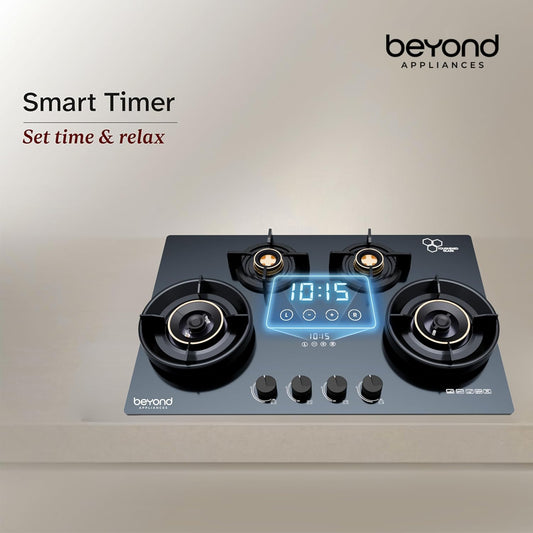
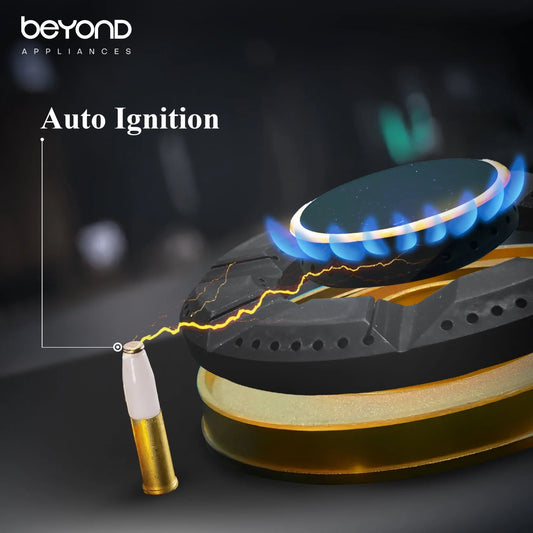
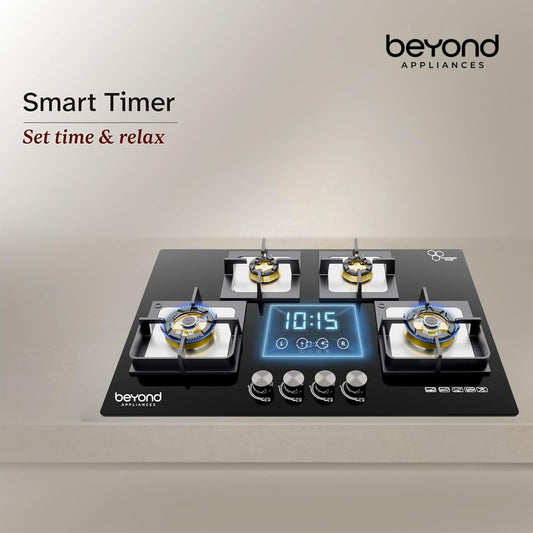
This is where LPG PNG compatible gas stoves shine. Instead of being locked into one option, you get the flexibility to switch between gas types based on availability, cost, or convenience. For instance, the Sujata Premium Gas Stove Auto Ignition | 9 Years Warranty | Gas Stove 4 Burners Glass Top, SABAF, ISI Certified, LPG & PNG Compatible, 360° Rotating Brass Gas Nozzle, Jumbo Brass Burner (Black) offers this exact flexibility with its 360° rotating brass gas nozzle system.
Real-World Scenarios
Consider these common situations: You start with LPG but your society gets PNG connectivity later. Or you're using PNG but face supply disruptions during monsoons. Maybe you're relocating from a PNG-enabled apartment to an independent house. In all these cases, having a dual-compatible stove saves you from replacing your entire cooking setup.
Technical Considerations for Indian Cooking
Indian cooking demands high heat for methods like deep frying puris or quick searing for biryanis. While LPG traditionally offered better heat output, modern dual-compatible stoves are designed to optimize performance for both gas types. The jumbo brass burners in premium models ensure efficient heat distribution regardless of your gas source.
The SABAF technology found in quality dual-compatible stoves like the Sujata Premium Gas Stove Auto Ignition | 9 Years Warranty | Gas Stove 4 Burners Glass Top, SABAF, ISI Certified, LPG & PNG Compatible, 360° Rotating Brass Gas Nozzle, Jumbo Brass Burner (Black) ensures optimal combustion efficiency with both LPG and PNG, addressing the heat output concerns that many Indian cooks have about PNG.
Making the Right Choice for Your Home
Choose LPG if:
- You live in an area without PNG connectivity
- You prefer maximum heat output for your cooking style
- You don't mind managing cylinder deliveries
- You frequently relocate
Choose PNG if:
- PNG is readily available in your area
- You prioritize convenience and continuous supply
- Long-term cost savings are important to you
- You want to eliminate cylinder storage concerns
Choose Dual Compatibility if:
- You want future-proofing for changing gas supply scenarios
- Your area has intermittent PNG supply
- You're planning to relocate in the future
- You want backup options during emergencies
Installation and Conversion Process
Modern dual-compatible gas stoves come with conversion kits and detailed instructions. The process typically involves changing the nozzle configuration – something that can be done by authorized service technicians. Always ensure ISI certification when purchasing, as safety standards are crucial for Indian kitchen environments.
Professional installation ensures optimal performance and safety. Most reputable brands provide installation support and warranty coverage for both LPG and PNG configurations.
Final Verdict
For Indian households, the choice between LPG and PNG often comes down to availability and personal preferences. However, investing in a high-quality dual-compatible gas stove eliminates the need to choose sides. You get the best of both worlds – the reliability of LPG when needed and the convenience of PNG when available.
With urban infrastructure rapidly evolving and PNG networks expanding across Indian cities, having a flexible cooking solution makes perfect sense. The initial investment in a premium dual-compatible stove pays off through years of convenient cooking, regardless of how your gas supply situation changes.